Soil names, side by side.
Plain answers for the names on soil bags, from perlite and vermiculite to potting soil and garden soil. Built from university extension guides and government agencies. Nothing here is for sale.
Perlite vs Vermiculite
Different materials
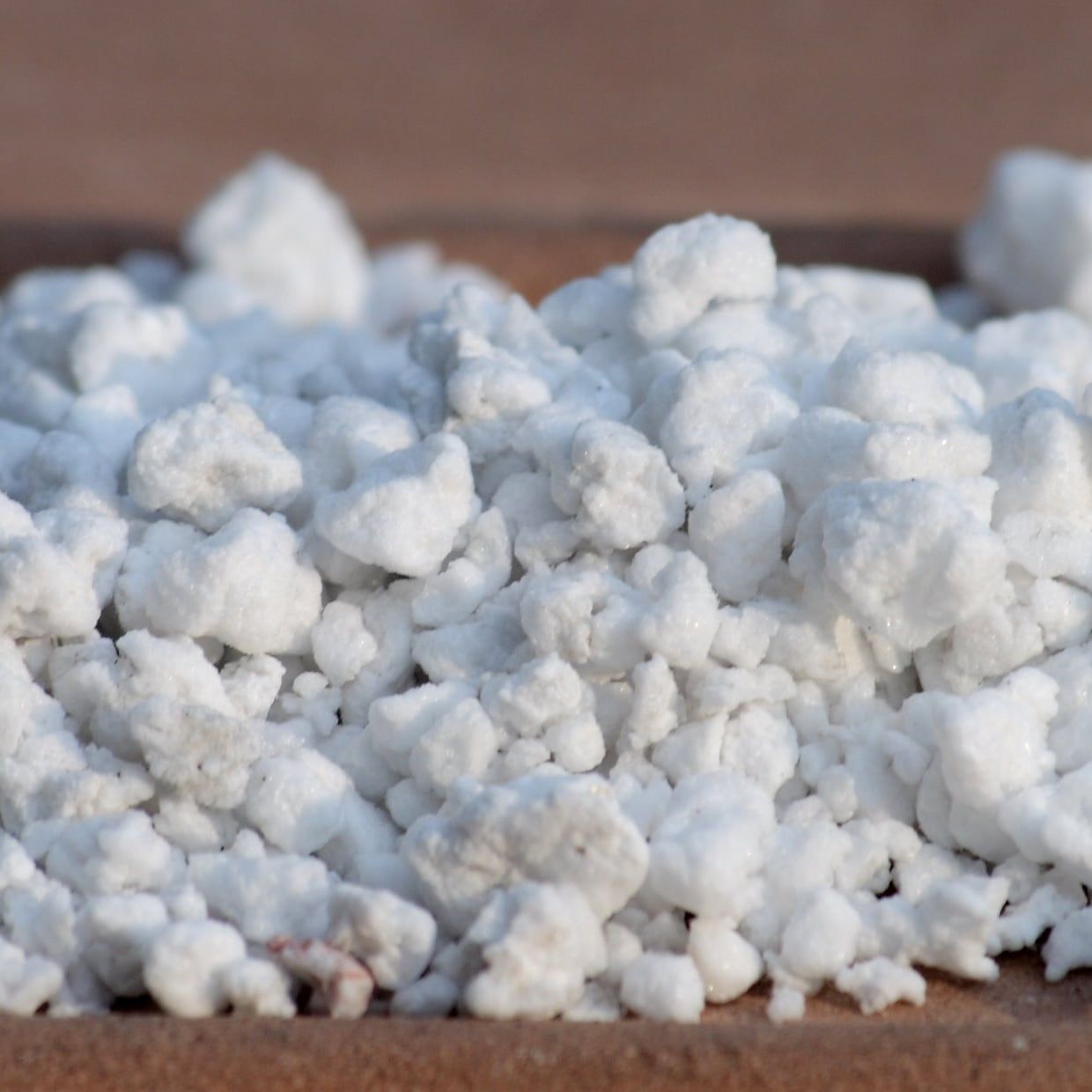
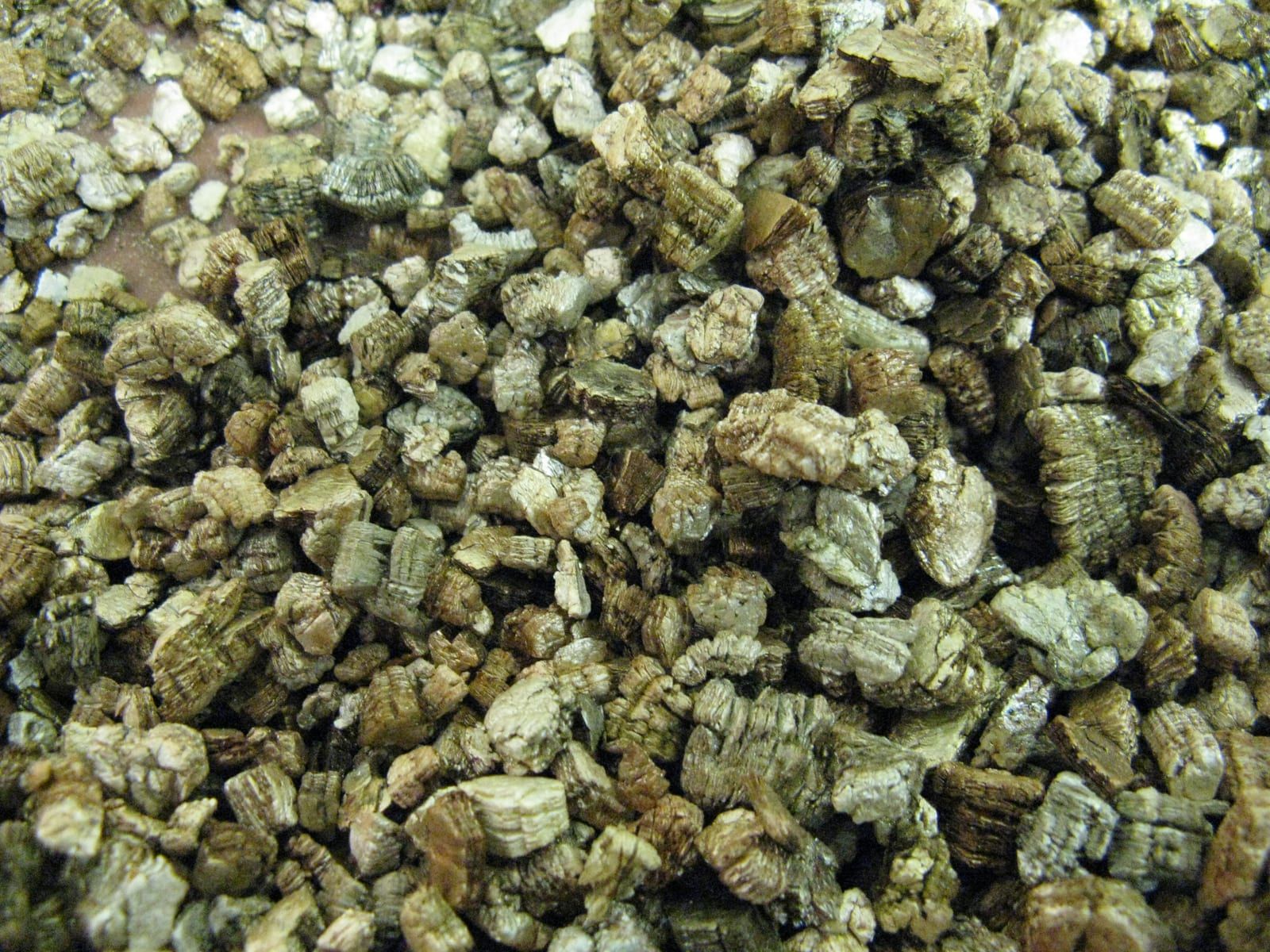
Perlite adds air space and drainage to a mix; vermiculite mainly holds water and some nutrients.
All comparisons
Pick the two names on your bags. Each page gives a short answer, a side-by-side table, a drawing and the label details to check.
Mineral ingredients
Rock-based ingredients sold on their own.
- Perlite vs Pumice
Different materials
Two volcanic rocks that add air to a mix: perlite is heat-puffed, pumice is crushed.
- Perlite vs Vermiculite
Different materials
Perlite adds air to a mix; vermiculite mainly holds water and some nutrients.
Peat, moss and coir
Plant-based ingredients.
- Coco peat vs Coco coir
Mostly the same thing
Coco peat is the fine, dusty form of coir; plain “coir” can also mean fibers or chips.
- Peat moss vs Coco coir
Different materials
Coir is sold as a peat substitute; the two differ in acidity and rewetting.
- Sphagnum moss vs Peat moss
Different materials
Sphagnum moss comes from the living top of a bog; peat moss is the decayed layer below.
Soils and bagged mixes
Blends and bulk soil, named for where they go.
- Garden soil vs Potting soil
Depends on the bag
Potting soil is sold for pots; garden soil for beds. Soil from your yard is a third thing.
- Potting soil vs Potting mix
Overlapping
Two names for the same kind of product: a bagged blend made for pots.
- Potting soil vs Raised bed soil
Depends on the bag
One is sold for pots, the other for filling raised beds; recipes vary by brand.
- Potting soil vs Topsoil
Different materials
Potting soil is a light blend for pots; topsoil is mineral soil used to fill beds.
- Raised bed soil vs Garden soil
Depends on the bag
Both are bagged blends; garden soil is also sold for mixing into existing soil.
- Topsoil vs Garden soil
Depends on the bag
Topsoil is mineral soil used as fill; bagged garden soil is often an organic blend.
What they look like
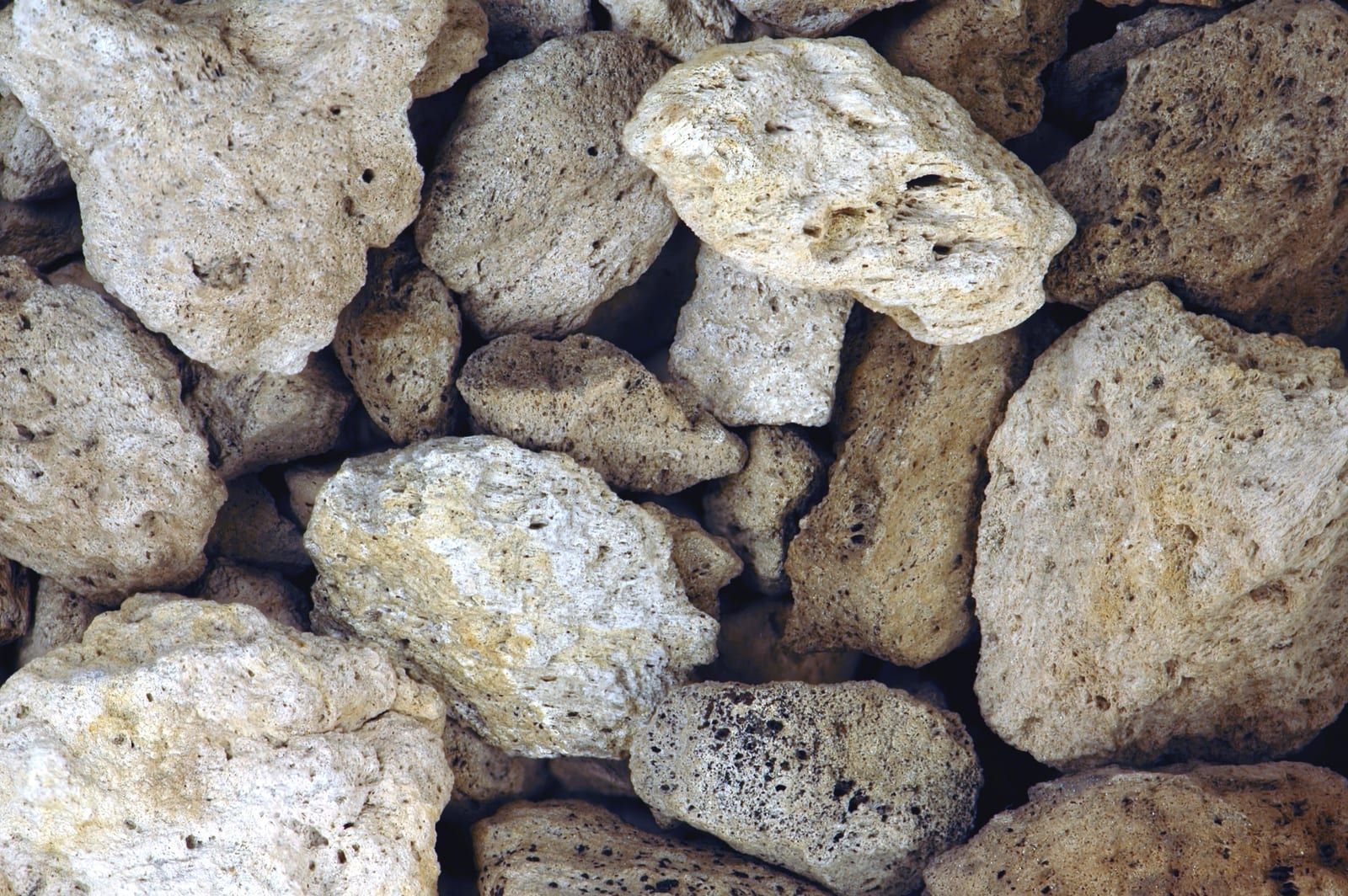
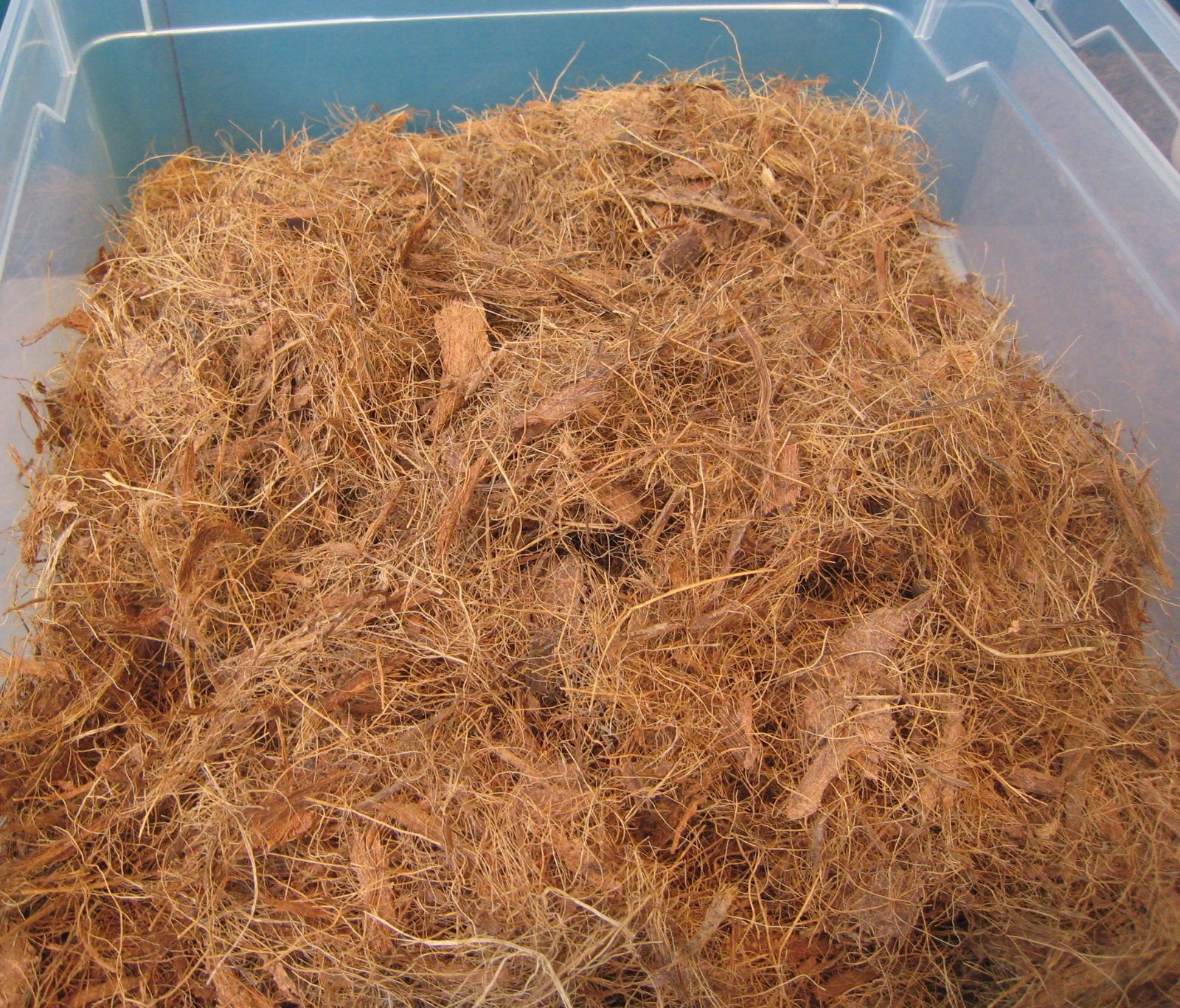
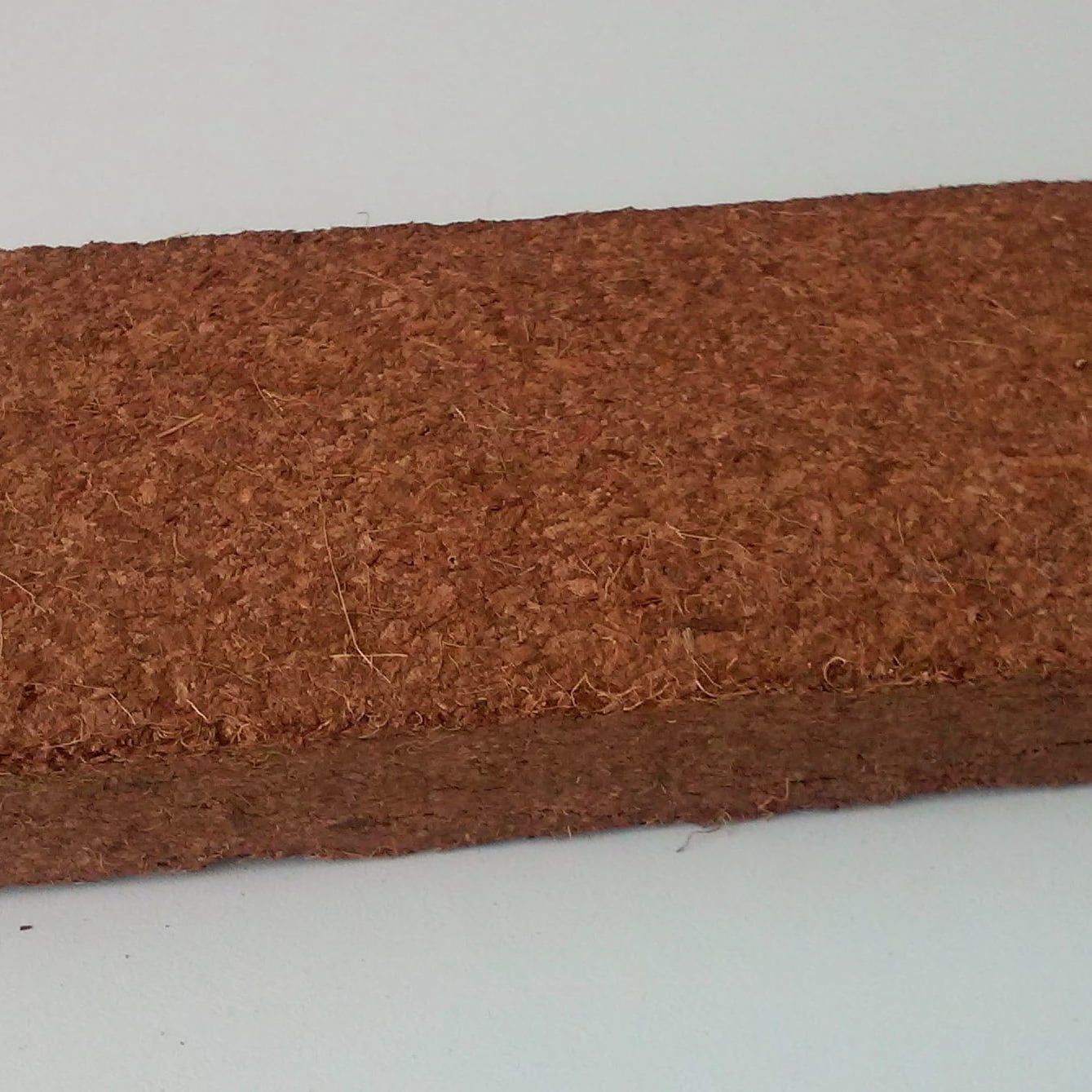
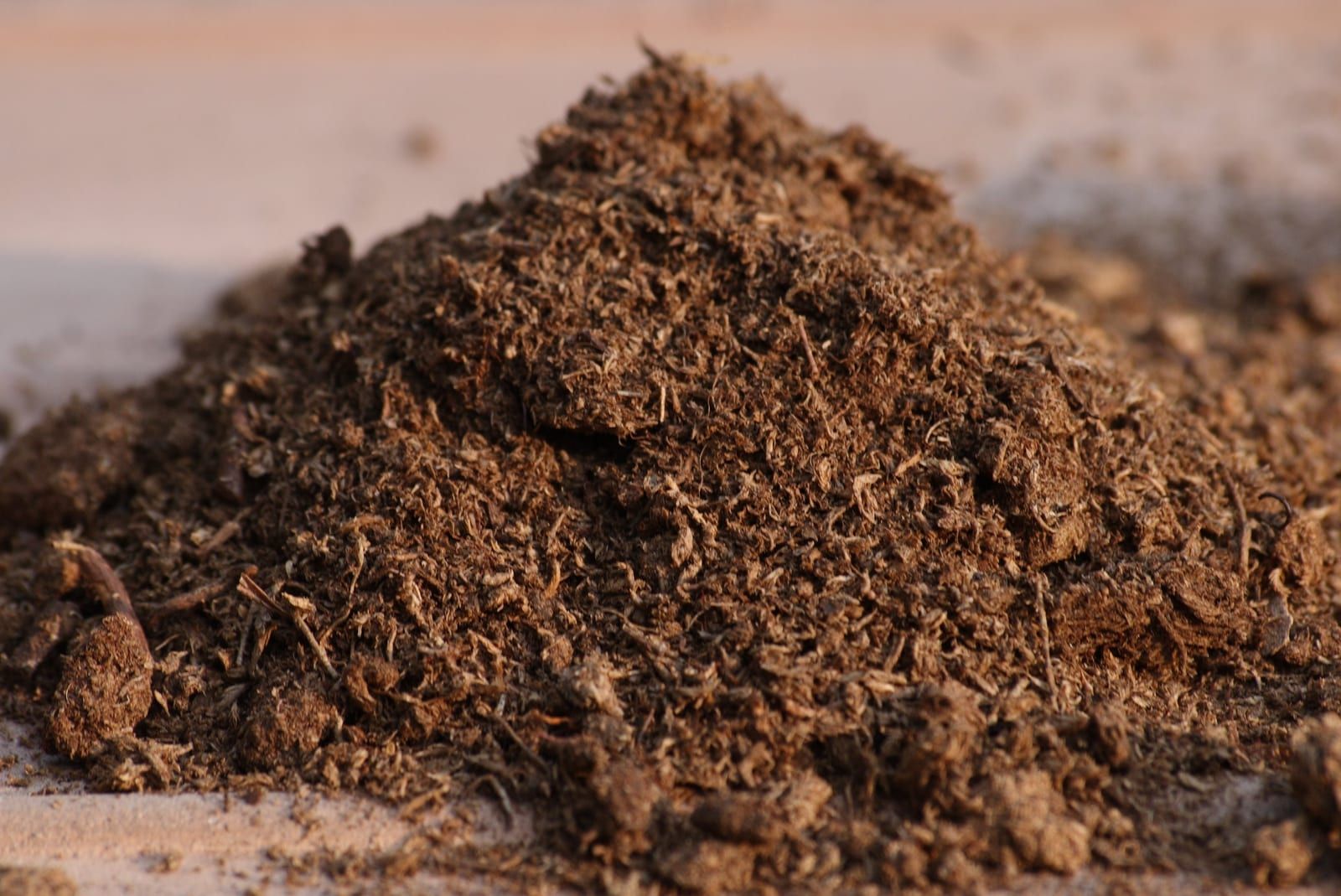
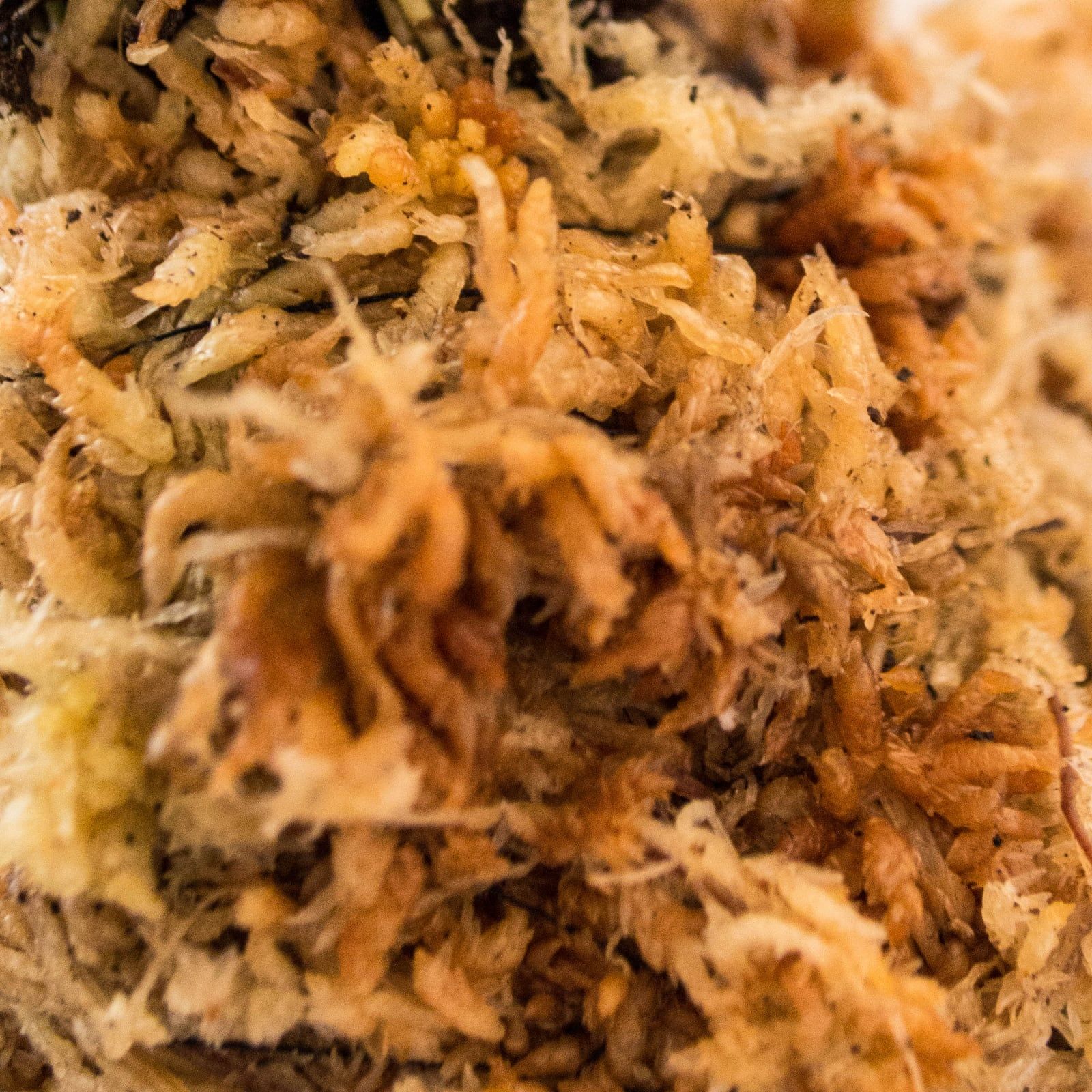
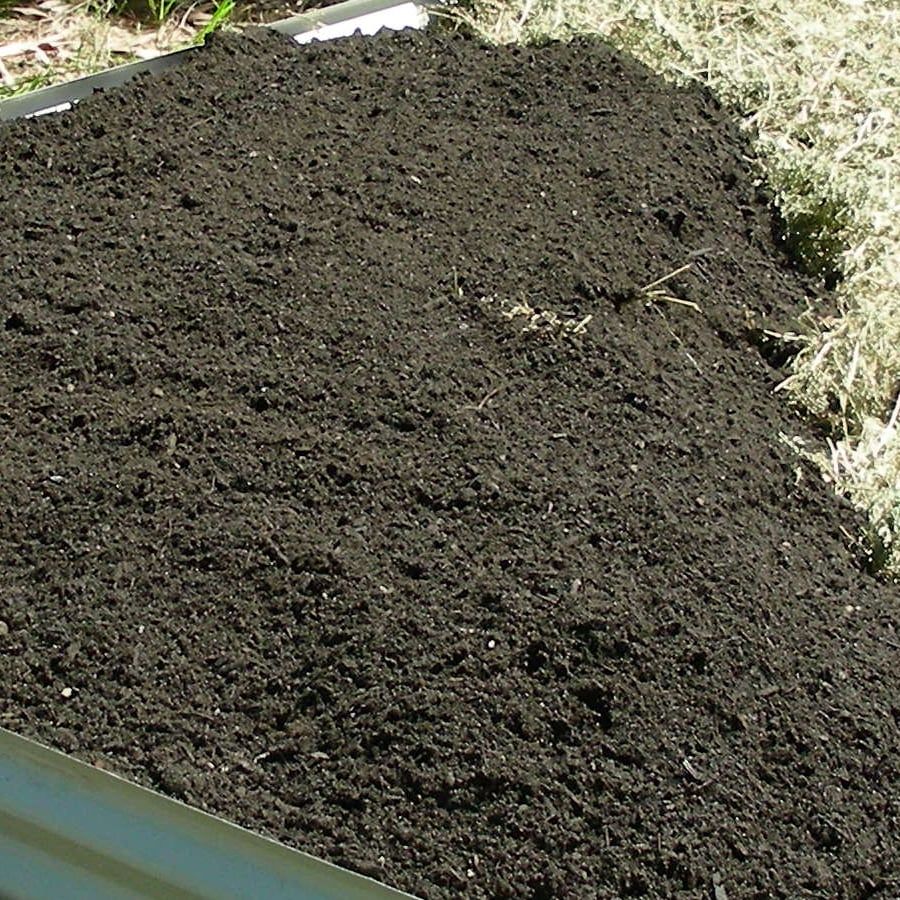
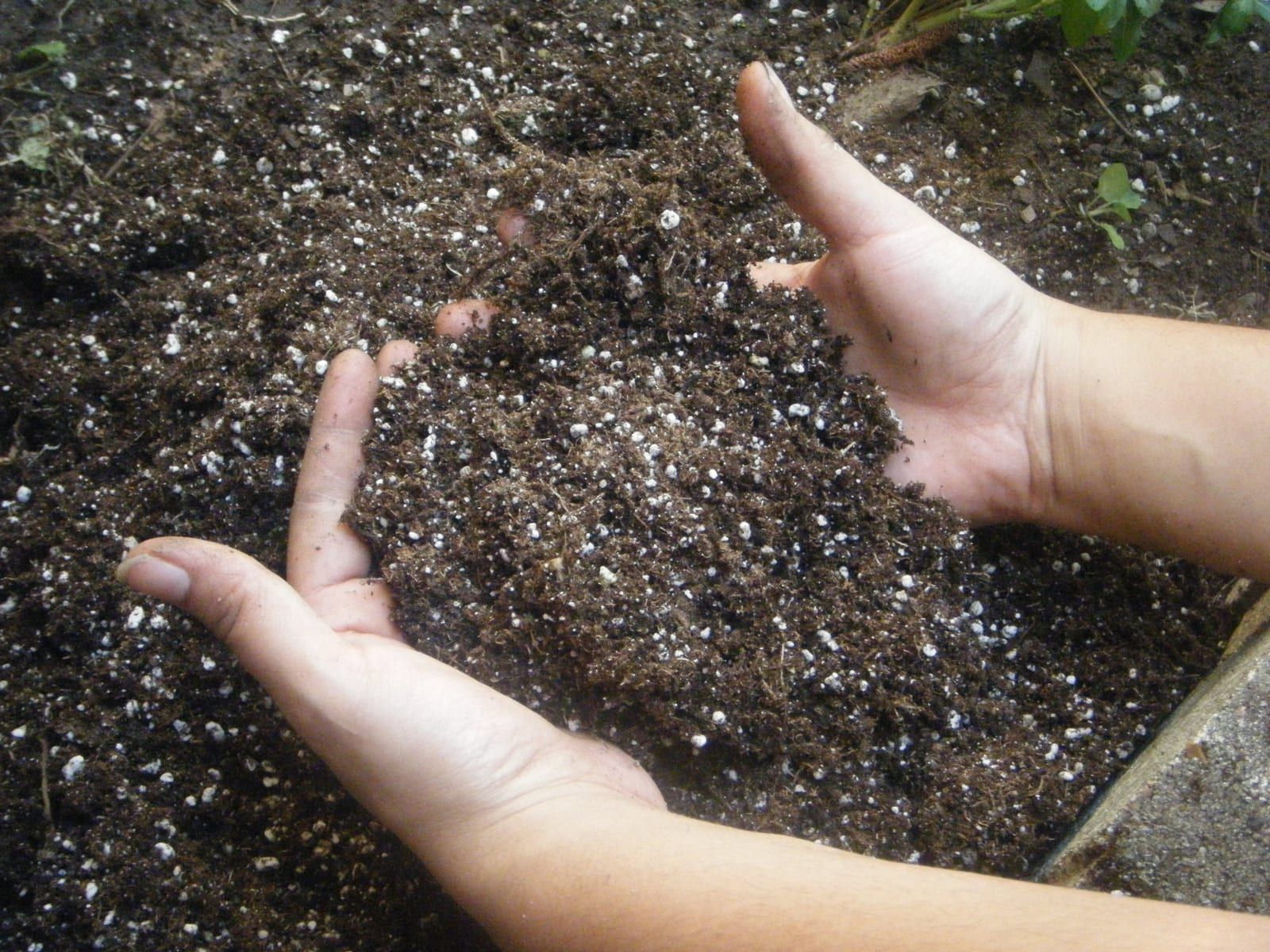
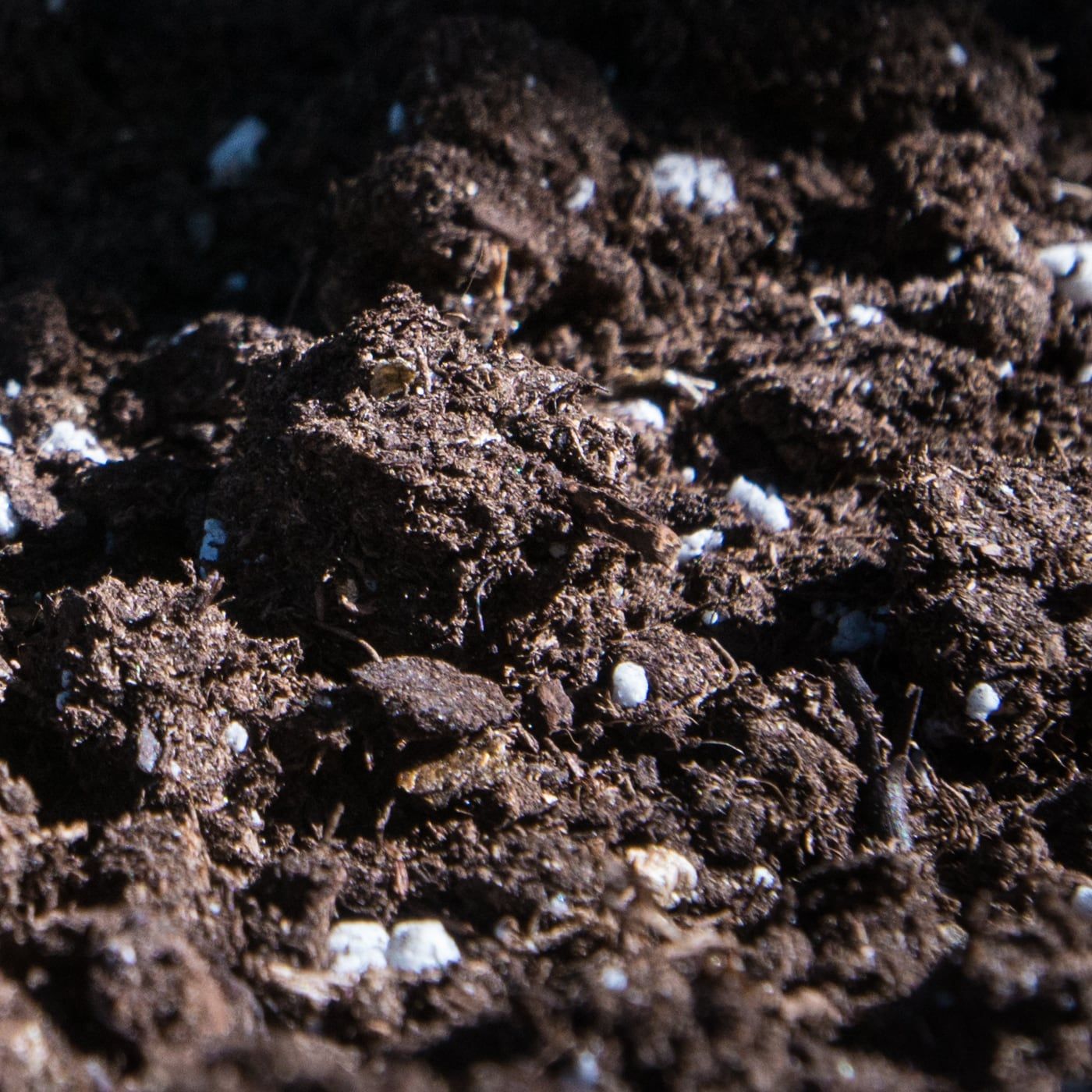
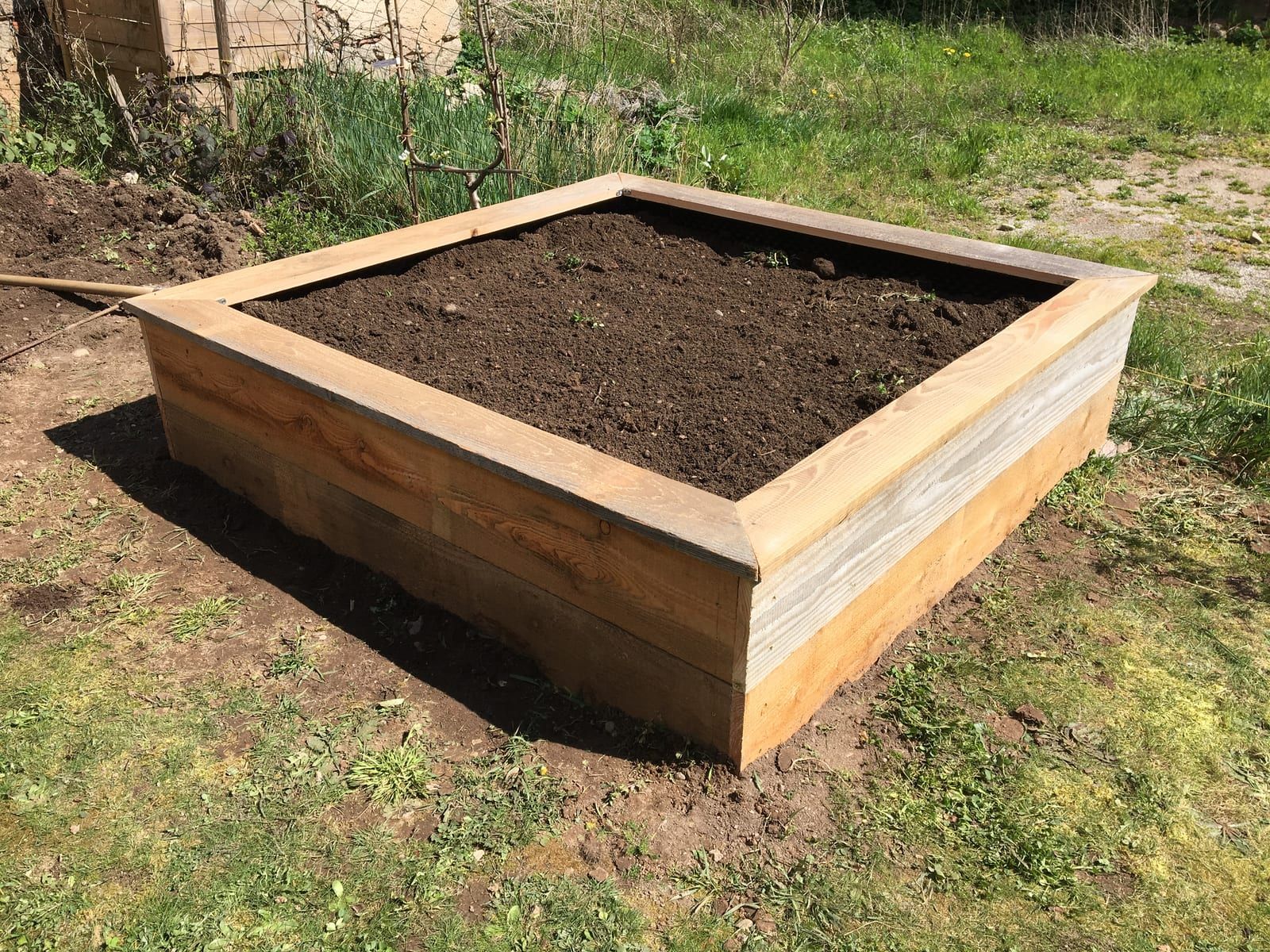
Photographed examples of each material. A photo shows one sample; the label tells you what is in your bag.
All materials-
-
-
-
-
-
-
-
-
-
-
-
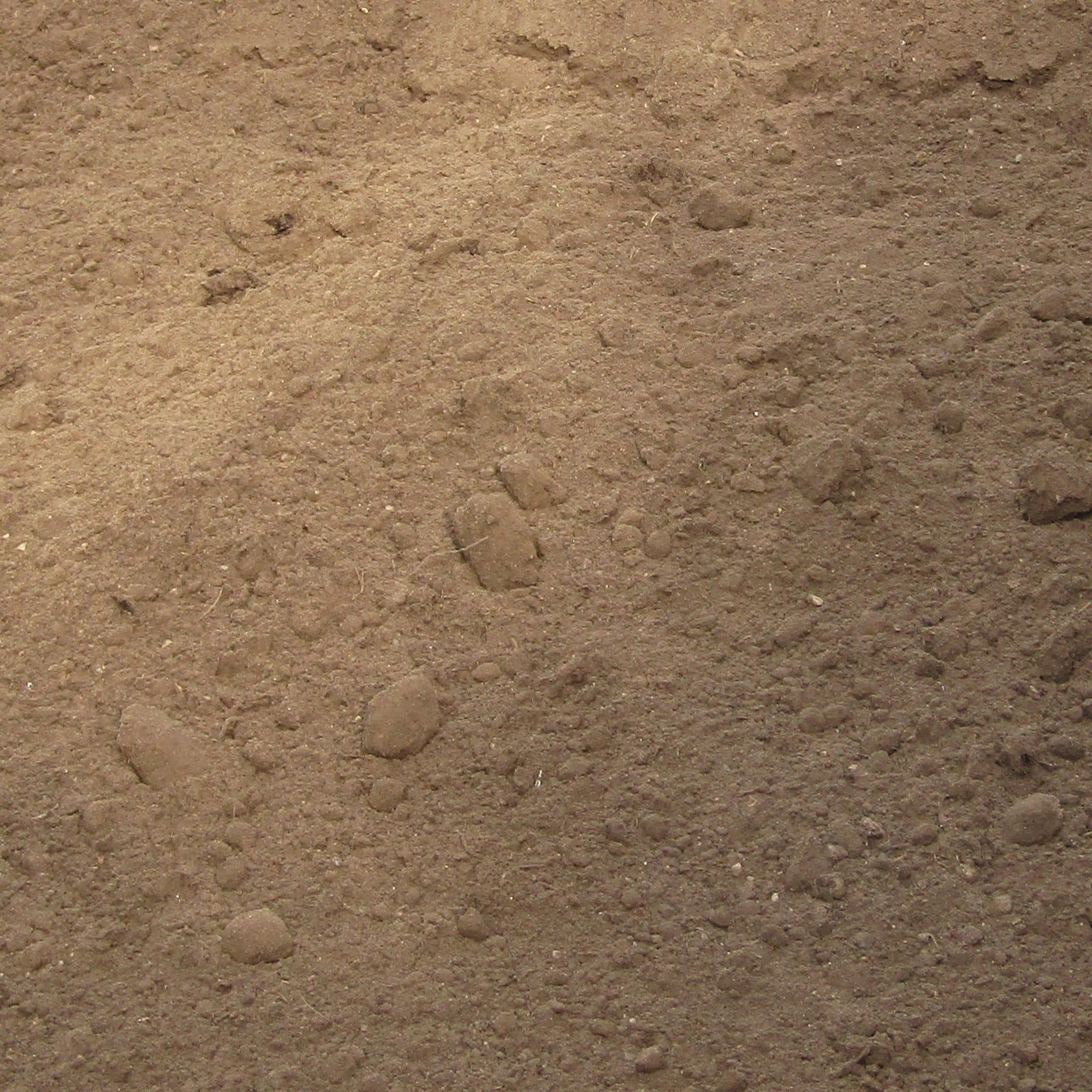
Photographs: Perlite by Ragesoss (CC BY-SA 3.0) · Pumice by James St. John (CC BY 2.0) · Vermiculite by KENPEI (CC BY-SA 3.0) · Coco coir by D-Kuru (CC BY-SA 3.0 Austria) · Coco peat by Jungle Garden (CC BY 2.0) · Peat moss by Ragesoss (CC BY-SA 3.0) · Sphagnum moss by Gergely Hideg (CC BY 2.0) · Garden soil by Doug Beckers (CC BY-SA 2.0) · Potting mix by M Tullottes (Public domain) · Potting soil by Lance Cheung, U.S. Department of Agriculture (Public domain) · Raised bed soil by DEFI-Écologique (CC BY-SA 4.0) · Topsoil by Kolforn (Wikimedia) (CC BY-SA 4.0). Titles, sources and changes are on the credits page.
Where the answers come from
Each claim on a comparison page traces to a university extension guide, agency page or published study, listed on the Sources page. Nothing here is a lab test or a growing trial.
Holding a bag?
Find the intended use, the ingredient list and the directions, then compare two bags field by field.