Potting soil vs Topsoil
Different materials
Potting soil is a light blend made for pots; topsoil is mineral soil (sand, silt and clay) used to fill beds. Manufactured topsoil is usually blended with compost. Ask a bulk supplier where it came from and for any soil-test results.
Published · Updated
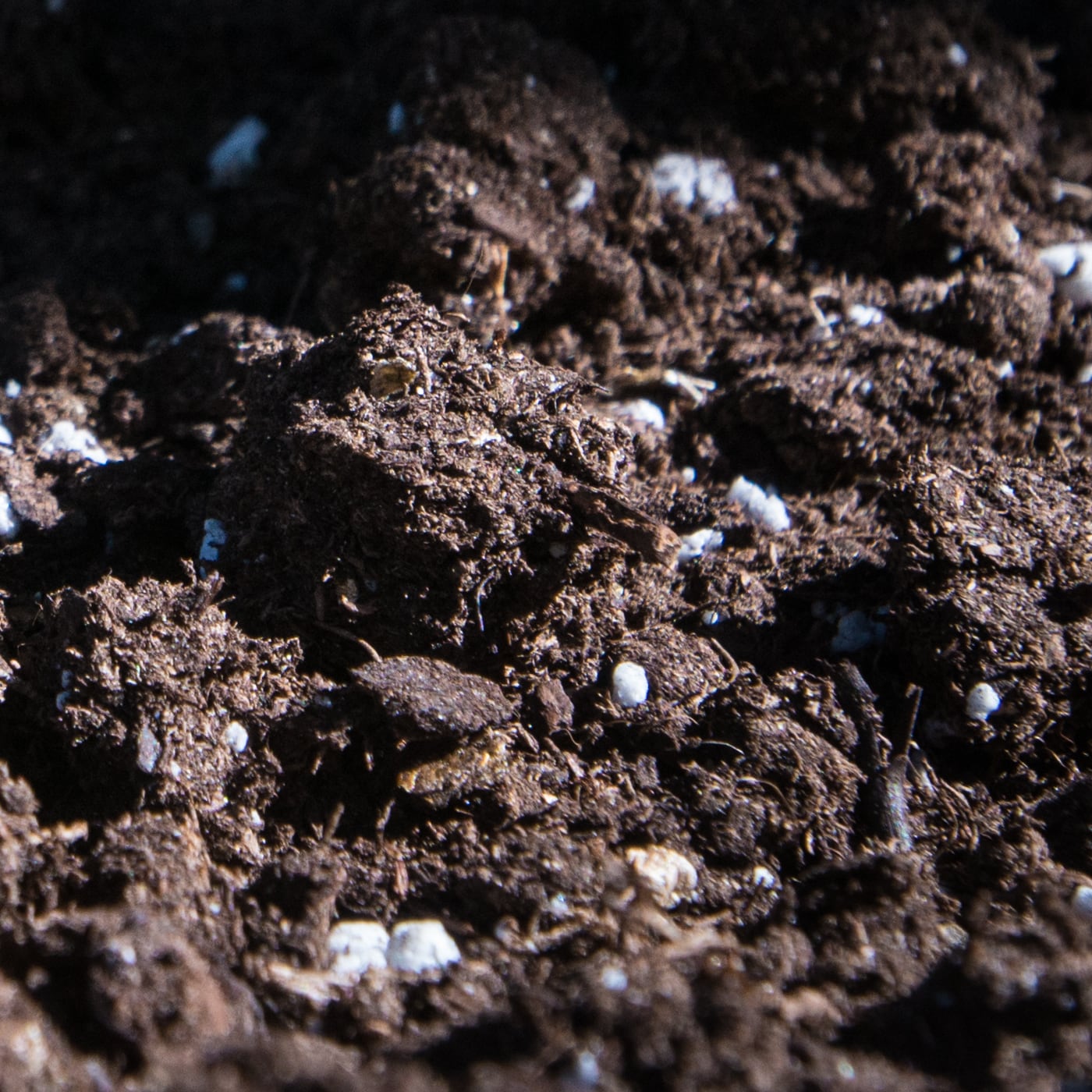
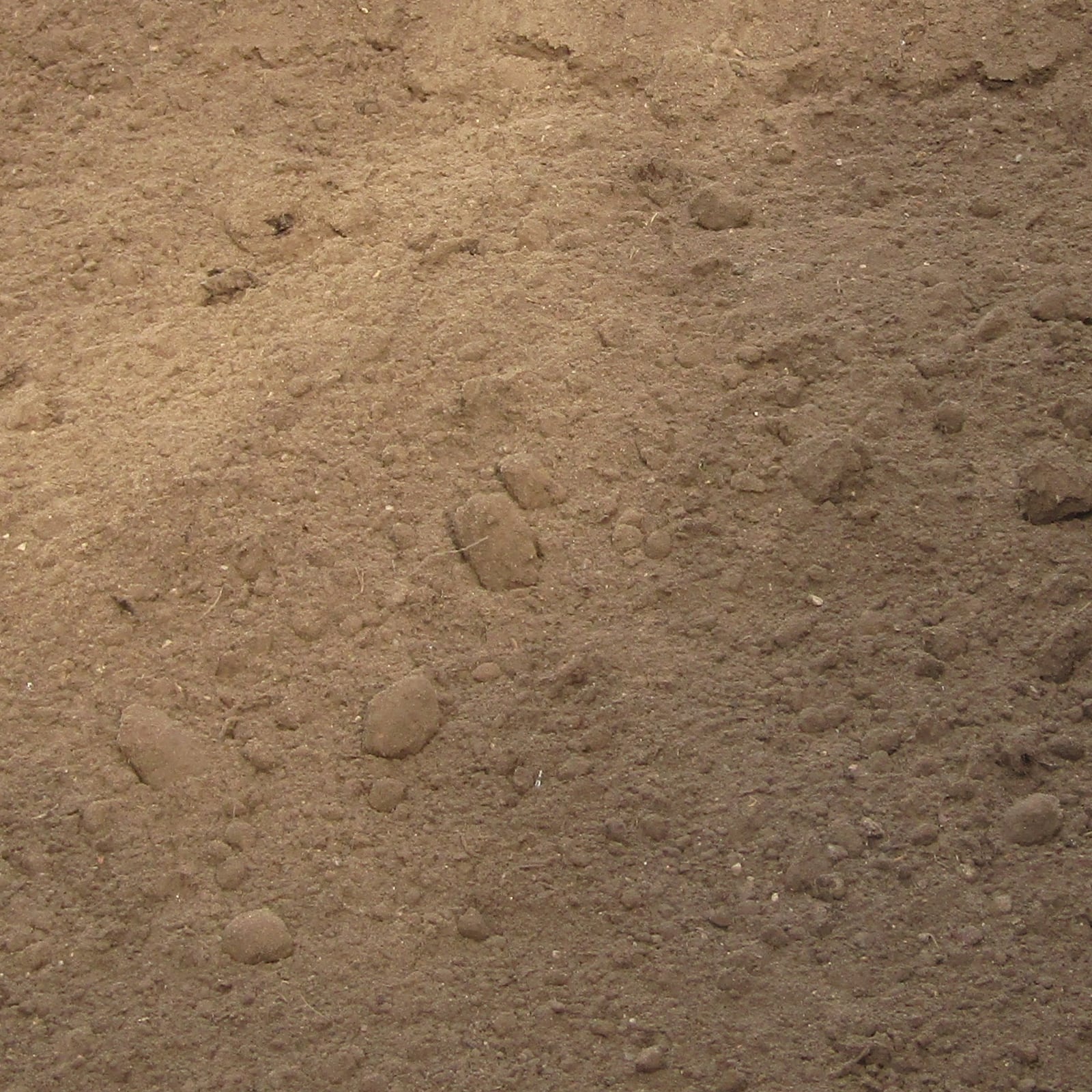
How potting soil and topsoil differ
| Compare | Potting soil | Topsoil |
|---|---|---|
| What it is | A blend of peat, coir, bark, compost or similar | Mineral soil, often with compost added |
| Contains soil? | Little or none in modern container mixes | Yes: it is soil |
| Weight | Lighter; peat-based mixes weigh less than soil-based ones | Heavier; soil adds weight to a container mix |
| Where the details are | The bag's ingredient list and directions | The supplier: origin, blending and soil-test results |
| In a pot | Typical use | Usually a mismatch |
| In a raised bed | Sometimes used | Typical use |
| In the ground | Sometimes used | Typical use |
How potting soil and topsoil hold air and water
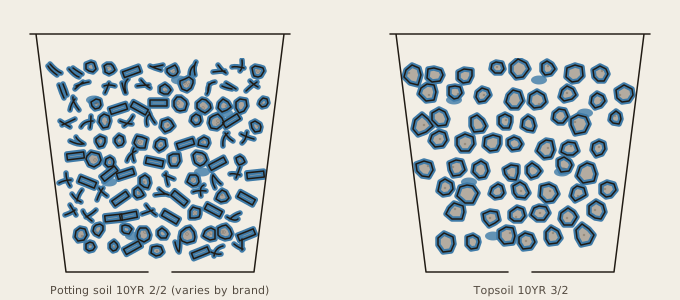
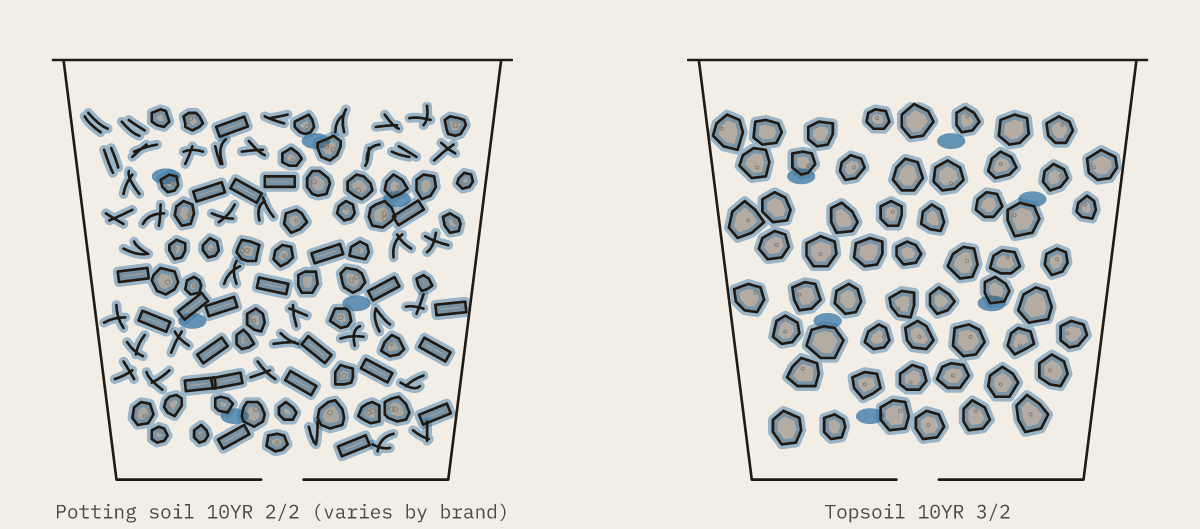
Potting soil is drawn as mixed pieces and topsoil as crumbs. Water coats both and fills the gaps.
Soil's structure changes when it is dug and put in a pot. A potting blend is made for containers.
As both dry, fewer water marks remain. A peat-rich potting mix can be hard to rewet once dry.
- Particle
- Water
- Air space
Where are you using it?
Pick a setting to see the reason behind each rating in the table.
In a pot
- Potting soil
- Typical use
- Topsoil
- Usually a mismatch
Arkansas Extension says soil should be a minor ingredient of a container mix, or left out. Where nurseries add it, the reason is weight or local supply.
In a raised bed
- Potting soil
- Sometimes used
- Topsoil
- Typical use
Maryland Extension describes two raised-bed fills: topsoil with compost, or compost with a soilless mix.
What is under the bed?
Open to existing soil
Loosen compacted soil below without turning it over, and blend any imported soil into it.
On a hard surface
Fill with compost and a soilless mix, adding topsoil only to a deep bed. These beds dry out quickly.
Maryland Extension gives different fill advice for a bed on open ground and a bed on a hard surface.
Illustrative sections show the base connection. They do not specify depth, fill or drainage performance.
In the ground
- Potting soil
- Sometimes used
- Topsoil
- Typical use
Topsoil can be brought in as fill. Rutgers says bagged organic potting products can instead improve existing soil that is low in organic matter.
What this comparison can't tell you
- What a topsoil delivery contains without the supplier's information or a soil test.
- Whether a bag labeled topsoil holds mineral soil, unless the ingredients say.
- How much fill your bed needs.
Compare two bags with the bag worksheet, and see what a comparison can and cannot settle.
What to look for on the bag
Selected setting: In a potIn a raised bedIn the ground
Common mix-ups about potting soil and topsoil
- “Potting soil is topsoil with fertilizer added.”
- Many bagged potting products are all organic, with little or no mineral soil.
- “Premium or screened topsoil meets a set standard.”
- Rutgers says manufactured topsoil has no legal specifications and recommends asking suppliers for soil-test information.
Buying by the bag or by the load?
Buying a bag
Read the ingredient list and stated use. Ask the manufacturer about anything missing.
Ordering bulk soil
Ask for its origin, blending, storage and soil-test results, and look at it before delivery.
A bag has a label. A bulk load does not, so its details come from the supplier.
Questions about potting soil and topsoil
Does the name on the bag tell you what is inside?
Rutgers warns that bag names such as Potting Soil, Container Mix, Garden Soil, Topsoil and Humus are confusing, and says to read the label to learn what is in the bag. Maryland Extension says bags sold as “organic soil” typically contain no topsoil; they combine wood waste, bark fines, compost, peat moss and other organic materials.
What should topsoil look like?
Maryland Extension says topsoil should be dark and crumbly, with an earthy smell. Rutgers notes that soil varies greatly across a landscape and with depth.
Sources
Each claim on this page traces to a university extension guide, agency page or published study.