Peat moss vs Coco coir
Different materials
Peat moss is partly decayed bog plants; coco coir is coconut-husk fiber sold as a peat substitute. Peat is acidic and can be hard to rewet once dry. Coir is closer to neutral; the University of Florida advises rinsing it before use because of salt.
Published · Updated
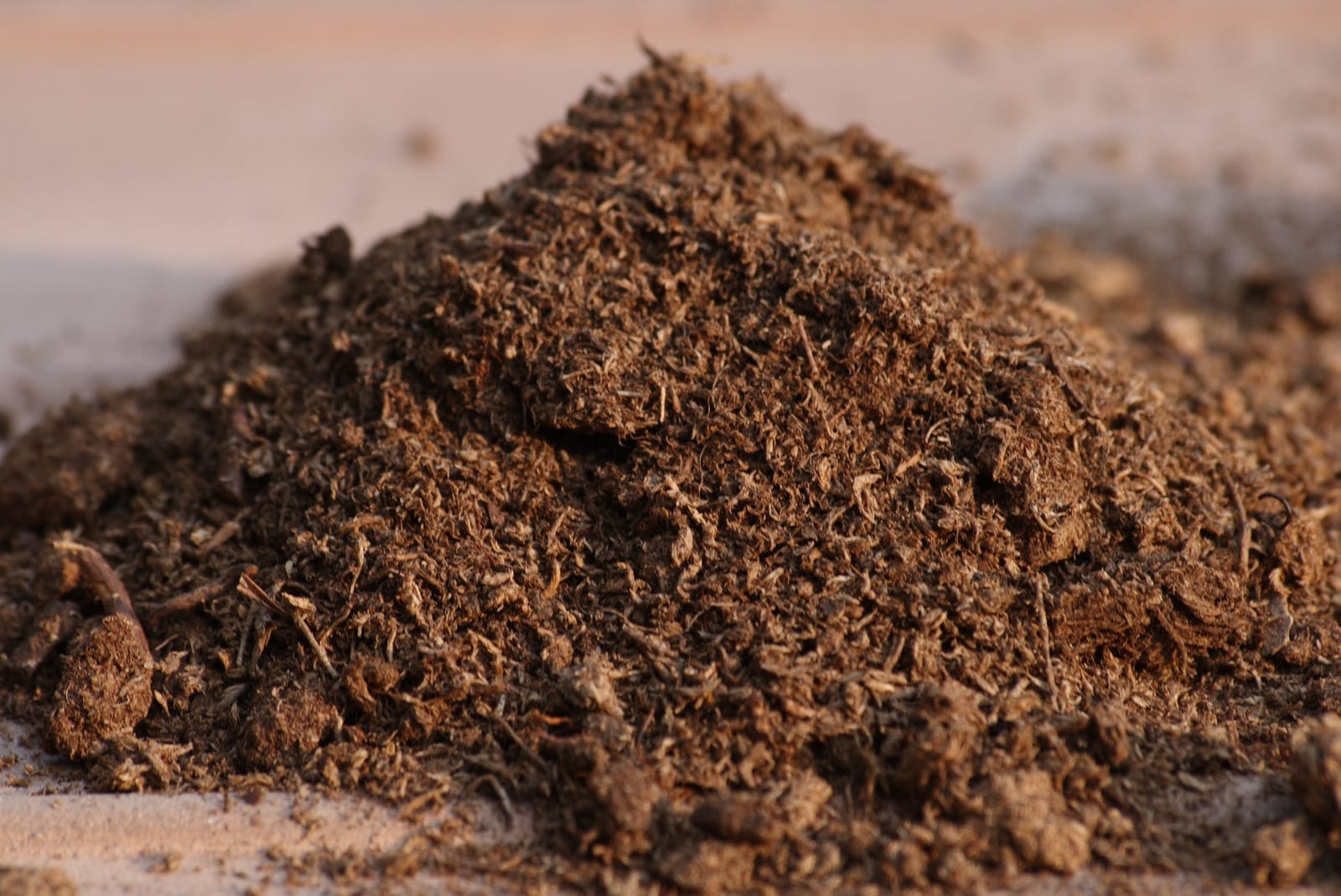
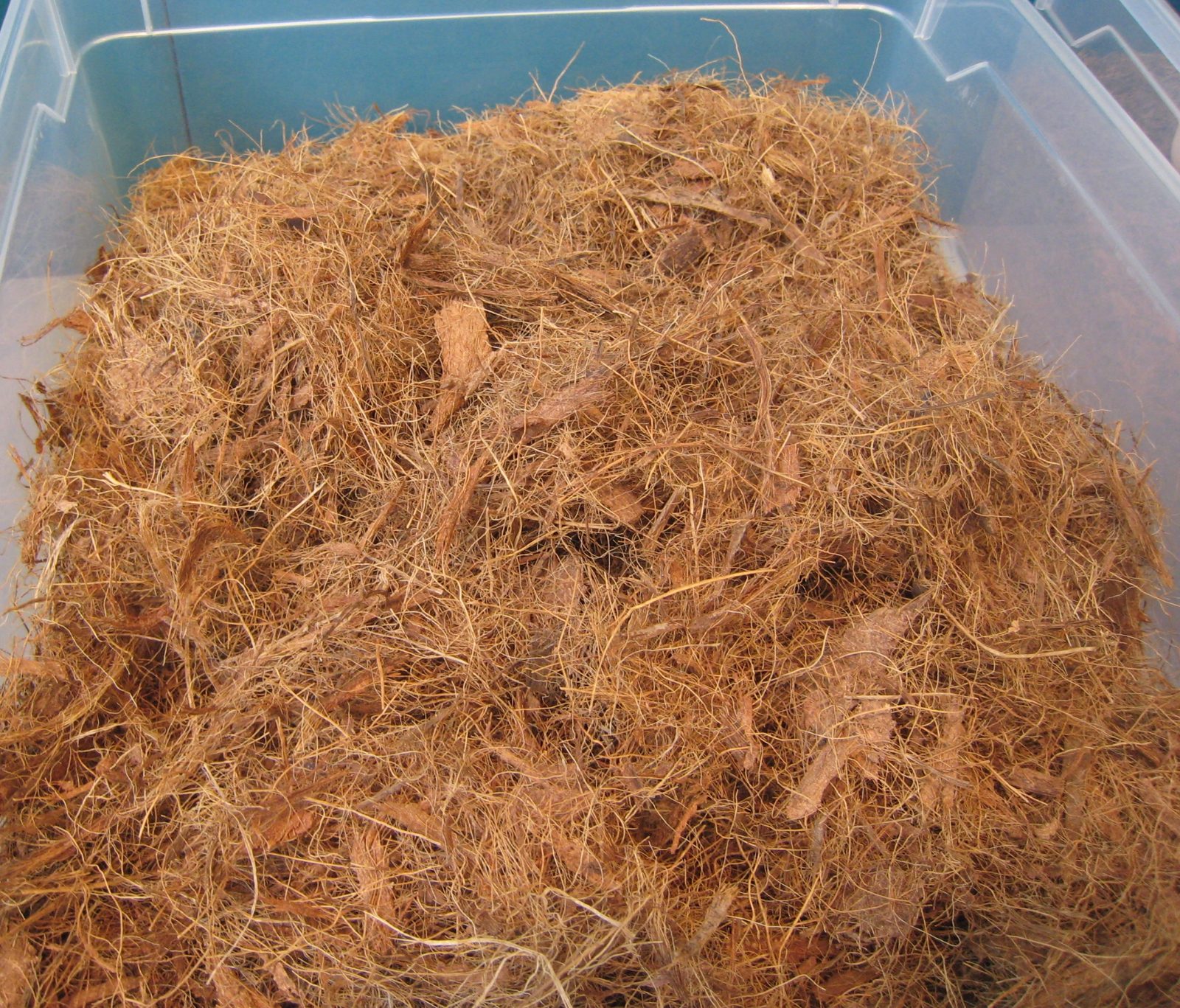
How peat moss and coco coir differ
| Compare | Peat moss | Coco coir |
|---|---|---|
| Made from | Partly decayed mosses, grasses and sedges from bogs | The outer husk of coconuts |
| Role in a mix | The traditional base of most potting mixes | Sold as an alternative to peat in that role |
| Forms sold | Moss peat, reed-sedge peat or peat humus | Fine pith, fibers, chips or a blend |
| Acidity | Acidic | Near neutral to slightly acidic |
| Rewetting when dry | Can be hard to rewet | Described as easier than peat, though dried coir can also resist wetting |
| Weight | ||
| In a pot | ||
| In a raised bed | ||
| In the ground | ||
How peat moss and coco coir hold air and water
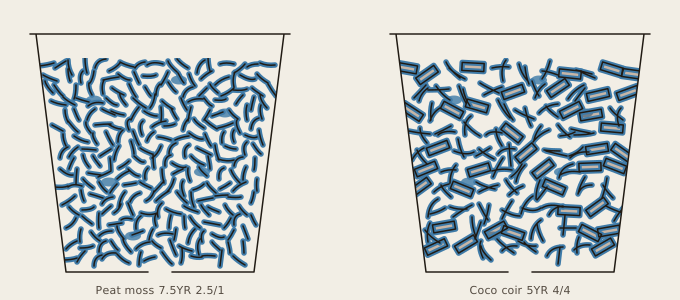
Water coats the fibrous peat and the crumbly coir and fills the small gaps between them.
After draining, both keep water around their fine particles, with air in the larger gaps.
As the mix dries, fewer water marks remain and air takes over more of the gaps.
- Particle
- Water
- Air space
Where are you using it?
Pick a setting to see the reason behind each rating in the table.
In a pot
- Both
- Typical use
Peat moss is still the base of most potting mixes, and coir is sold as a replacement for it.
In a raised bed
- Both
- Sometimes used
Rutgers lists sphagnum or reed-sedge peat and coconut husk fiber among the usual ingredients of bagged soil products.
In the ground
- Both
- Case by case
Rutgers says bagged organic materials can improve garden soil that is low in organic matter.
What this comparison can't tell you
- The salt level of a particular coir brick or bag.
- How two finished mixes will drain, based only on whether they use peat or coir.
- Which has the smaller environmental impact. This site doesn't assess that.
Compare two bags with the bag worksheet, and see what a comparison can and cannot settle.
What to look for on the bag
Selected setting: In a potIn a raised bedIn the ground
Common mix-ups about peat moss and coco coir
- “All coir holds water like peat.”
- Coir comes in forms. The University of Florida describes fine coir as holding a lot of water and chunky coir as draining better, with more air.
- “Coir doesn't break down, so it won't shrink.”
- Coir can decompose and lose volume; Kentucky lists shrinkage among its drawbacks.
- “Peat moss and sphagnum moss are the same thing.”
- Peat moss is the decayed layer lower in a bog. Sphagnum moss is the living moss on top.
Where coco peat fits in the coir family
Coconut coir
Coco peat · coir pith · coir dust
Names for the fine, dusty part of the husk.
Fibers and chips
Longer fibers and chunky pieces, which drain better and hold more air.
Each form shown here comes from coconut husk. A bag labeled only “coir” may hold any of them.
Questions about peat moss and coco coir
Can coir replace peat moss?
Purdue, Arkansas Extension and Washington State University each describe coir as an alternative or substitute for peat moss in a mix. The University of Florida advises washing or rinsing coir before use because of its salt content.
Why does water run off a dried peat mix?
A mix high in peat shrinks as it dries and can pull away from the sides of the pot. Water then runs down that gap instead of soaking in.
What helps a dry peat mix take up water?
Purdue says wetting agents help water spread through dry ingredients such as peat, and starter fertilizers supply nutrients at the start. Check whether a finished mix already contains either.
Why can two coir products differ?
Coir comes from many countries, which makes it hard to characterize. Arkansas Extension advises checking a coir product's soluble salts, sodium and chloride.
Sources
Each claim on this page traces to a university extension guide, agency page or published study.