Materials

Look up any of the 12 names in these comparisons. Each entry has a licensed photograph, a sourced definition, the names used on bags and the comparisons it appears in.

Each swatch pairs a marker color with the particle mark used in the drawings. It is not a soil-color specification. How we compare

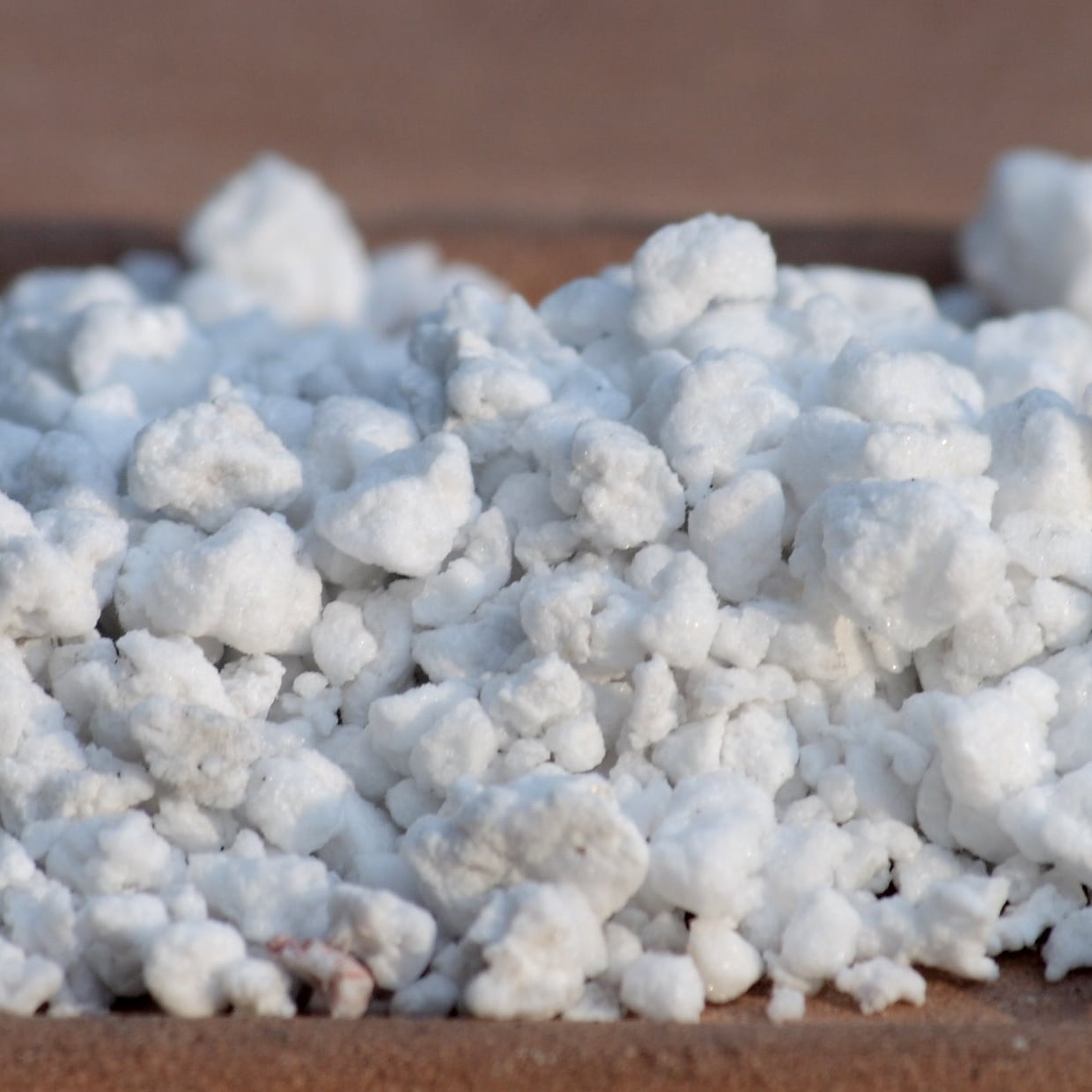
A heap of white, irregular horticultural perlite granules on a wooden board.
Irregular, pale granules in a small pile. Ragesoss, CC BY-SA 3.0

Perlite

Mineral ingredient

Perlite is volcanic rock heated until it expands into lightweight, popcorn-like granules.

Air space
High Its expanded granules leave air-filled pores that last
Weight
Low Very lightweight
How long it lasts
High Does not decompose but can fragment during handling
Names on the bag
perlite, horticultural perlite, expanded perlite

Sold in fine, medium and coarse grades. The bag may not say which.

  • Iowa State calls perlite the most common air-space ingredient in potting mixes.
  • Perlite tends to float to the top of a mix.
  • Perlite can be dusty; the University of Florida recommends a mask when handling large quantities.
Back to the index
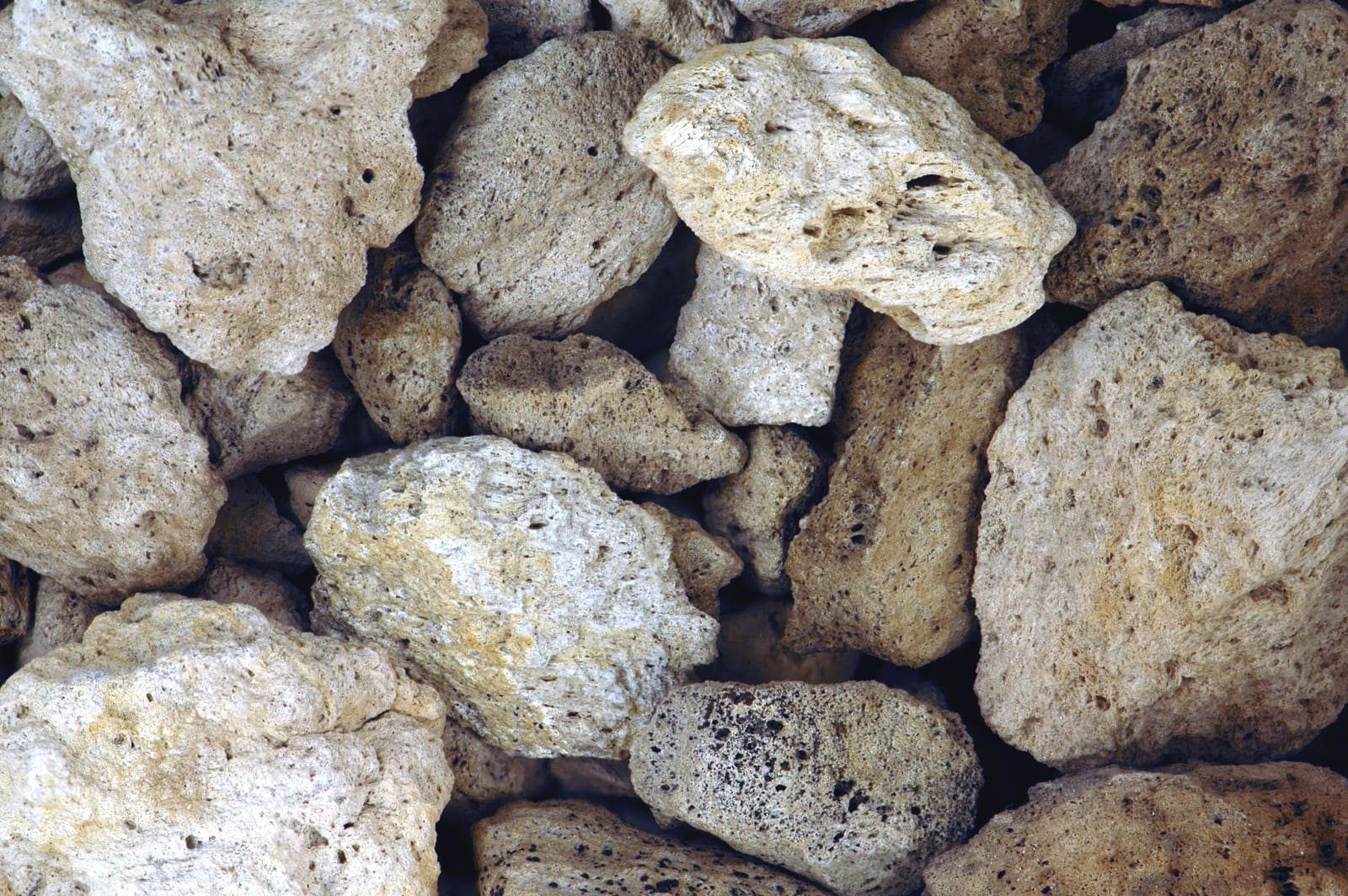
Pale, porous pumice pieces with small holes across their surfaces, filling the frame.
Porous pumice pieces from a natural deposit in northern California, before any crushing or sorting by size. James St. John, CC BY 2.0

Pumice

Mineral ingredient

Pumice is volcanic rock that is mined, crushed and sorted by size for growing mixes. It is not heated and expanded the way perlite is.

Air space
High University of Florida: excellent aeration
Water holding
Medium University of Florida: good water retention
Weight
Low Described as lightweight; no grade-matched comparison with perlite
How long it lasts
High Does not decompose, or breaks down slowly
Names on the bag
pumice, horticultural pumice

Graded by particle size after crushing. The bag may not say which grade.

  • The University of Florida describes pumice as adding air and holding some water; Purdue lists it as an air-space ingredient for container mixes.
  • Like perlite, pumice does not decompose, or breaks down only slowly, in a mix.
  • Pumice is described as lightweight, but the sources don't compare its weight with a given grade of perlite.

Comparisons with pumice

Back to the index
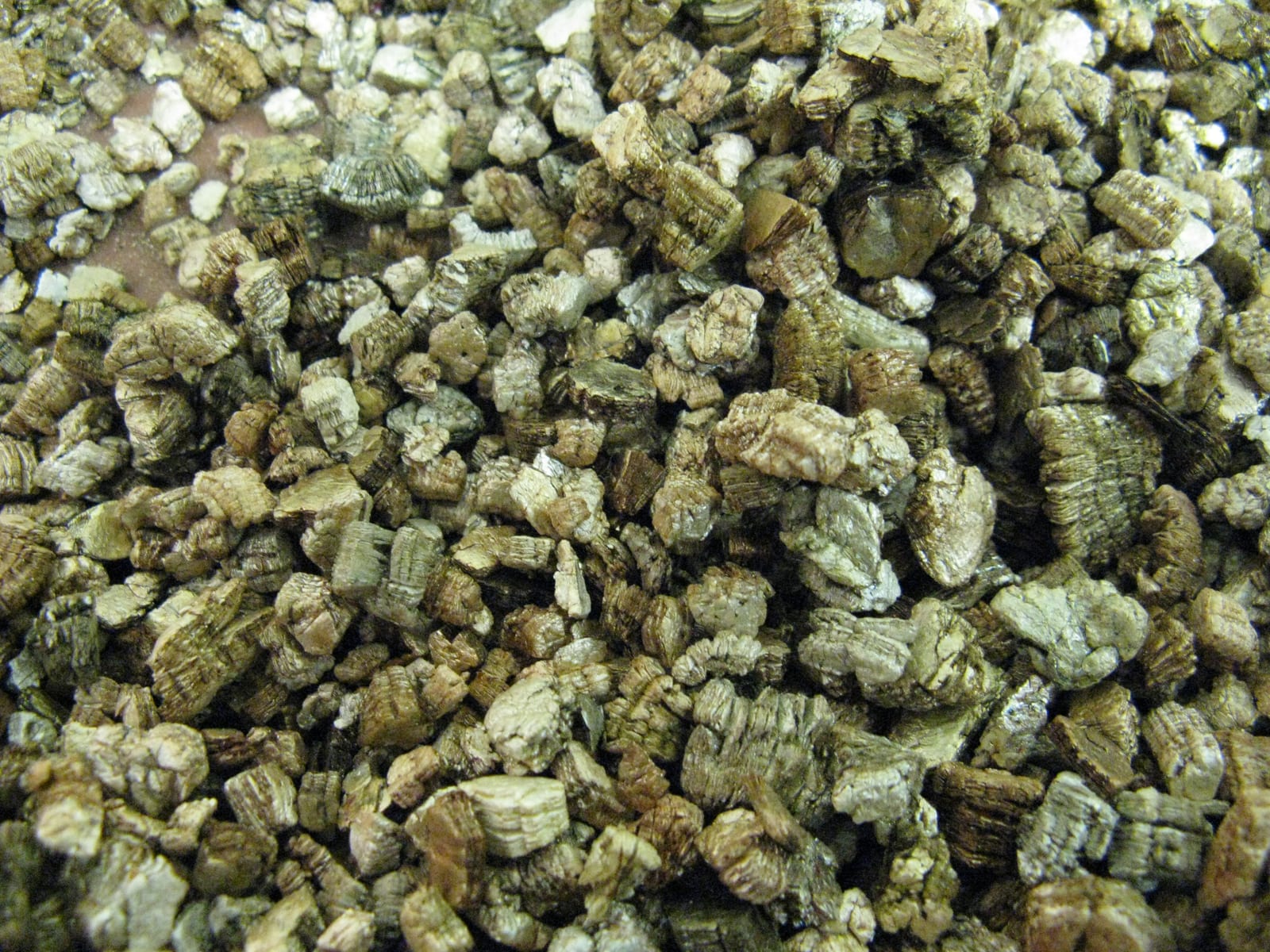
Gold-brown expanded vermiculite flakes, horticultural grade, filling the frame.
Folded, layered flakes with a slight shine. KENPEI, CC BY-SA 3.0

Vermiculite

Mineral ingredient

Vermiculite is a naturally layered mineral heated until it expands into shiny, flaky particles.

Air space
Medium Rated as giving good aeration, though holding water is its main job
Water holding
High Holds water and, to some degree, nutrients
Weight
Low Lightweight
Names on the bag
vermiculite, horticultural vermiculite

Sold in several grades from fine to coarse. The bag may not say which.

  • The EPA's handling advice for vermiculite is to use it outdoors or in a well-ventilated area and keep it damp to avoid dust.
  • The University of Florida notes that fine vermiculite can produce dust that irritates when inhaled.
  • Vermiculite can compact if pressed and lose air space over time.
  • Iowa State calls vermiculite expensive and, with a good-quality mix and a fertilizer program, likely unnecessary.

Comparisons with vermiculite

Back to the index
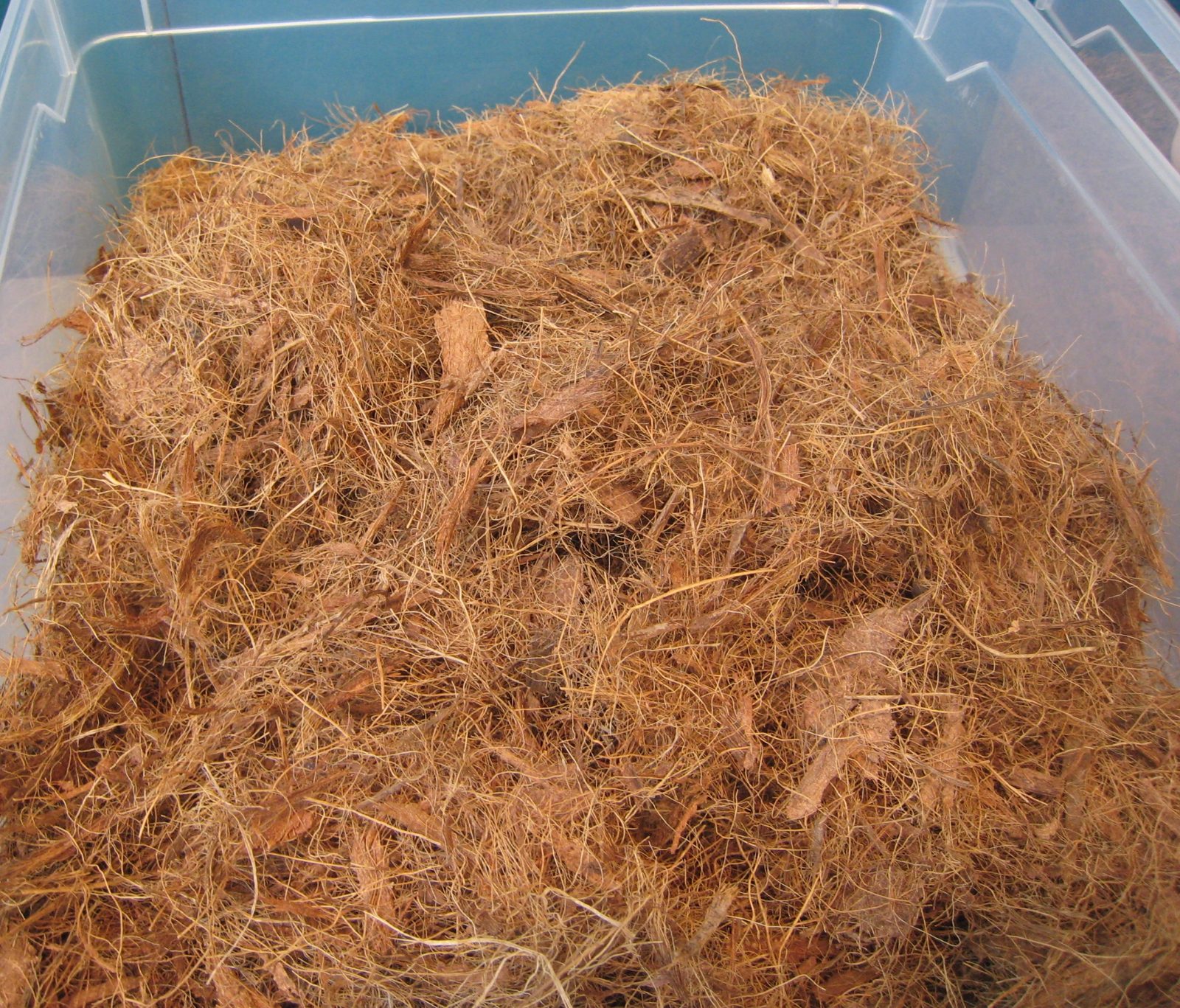
Long coconut fibers and coarse pieces in a translucent tub.
Long coconut fibers and coarse pieces fill a tub of planting material. D-Kuru, CC BY-SA 3.0 Austria

Coco coir

Organic ingredient

Coco coir is fiber from the outer husk of coconuts, a co-product of the coconut industry sold as a peat-moss replacement.

Weight
Low Listed as lightweight
Names on the bag
coco coir, coconut coir, coir, coconut husk fiber, coco chips

Chunky and fine coir behave differently; the bag or brick may not say which.

  • The University of Florida advises washing or rinsing coir before use because of its salt content.
  • Purdue and Arkansas Extension describe coir as easier to rewet than peat, while Iowa State cautions that dried coir can resist wetting. Follow the preparation directions for your product.
  • Coir comes from many countries, which makes it hard to characterize; Arkansas Extension advises checking a product's soluble salts, sodium and chloride.
Back to the index
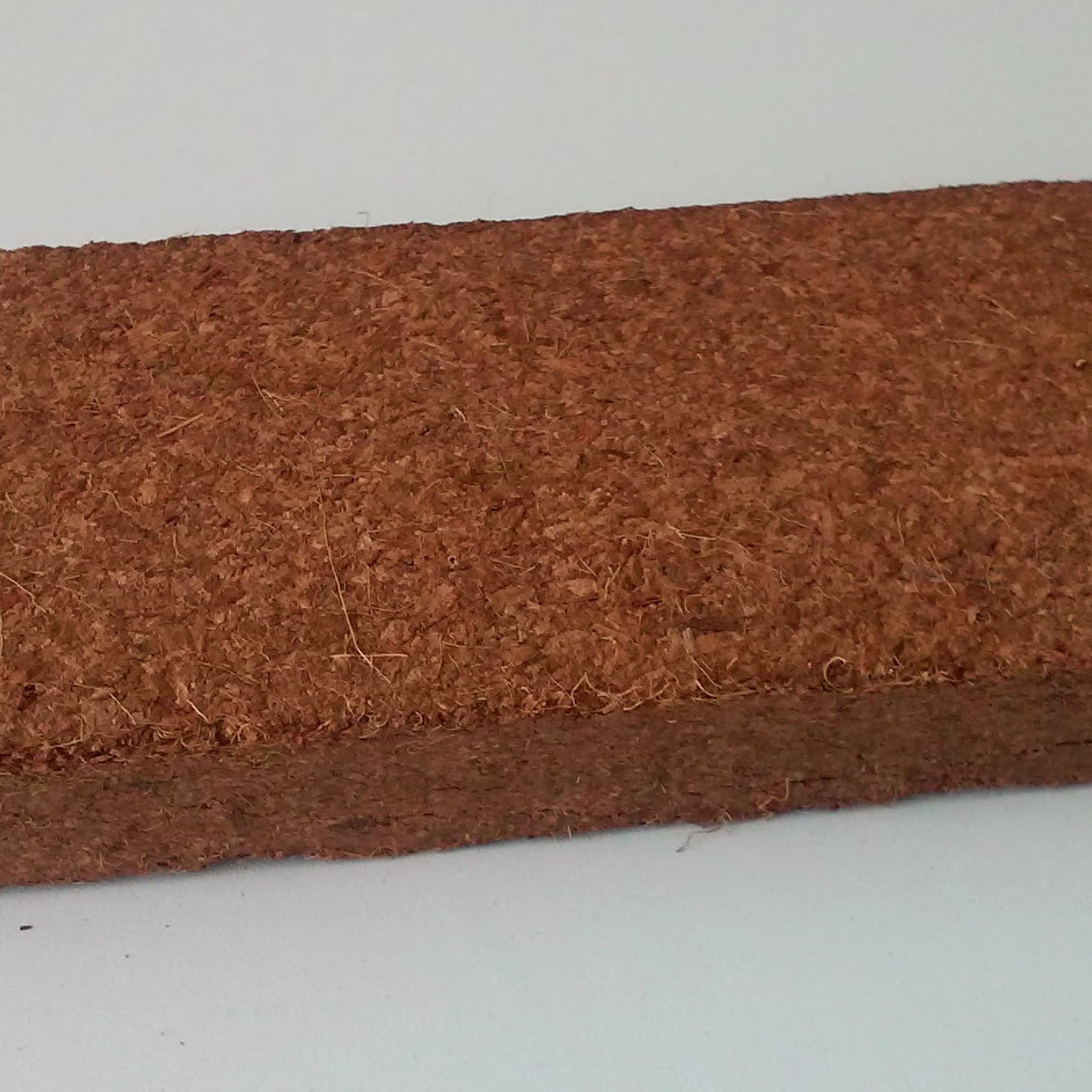
A compressed brick of reddish-brown coco peat, fine particles with a few short fibers, on a plain pale surface.
A compressed brick of coco peat: fine coir particles with a few short fibers on its surface. Jungle Garden, CC BY 2.0

Coco peat

Organic ingredient

Coco peat is the fine fraction of coconut husk, sold loose or as compressed bricks; the University of Florida describes fine coir as holding more water than the chunky type.

Air space
Medium The University of Florida rates the fine type's aeration as good
Water holding
High High water-holding capacity
Weight
Low Listed as lightweight
Names on the bag
coco peat, coir pith, coir dust, cocopeat brick
  • Coco peat is a form of coir. The University of Florida advises washing or rinsing coir before use because of its salt content.

Comparisons with coco peat

Back to the index
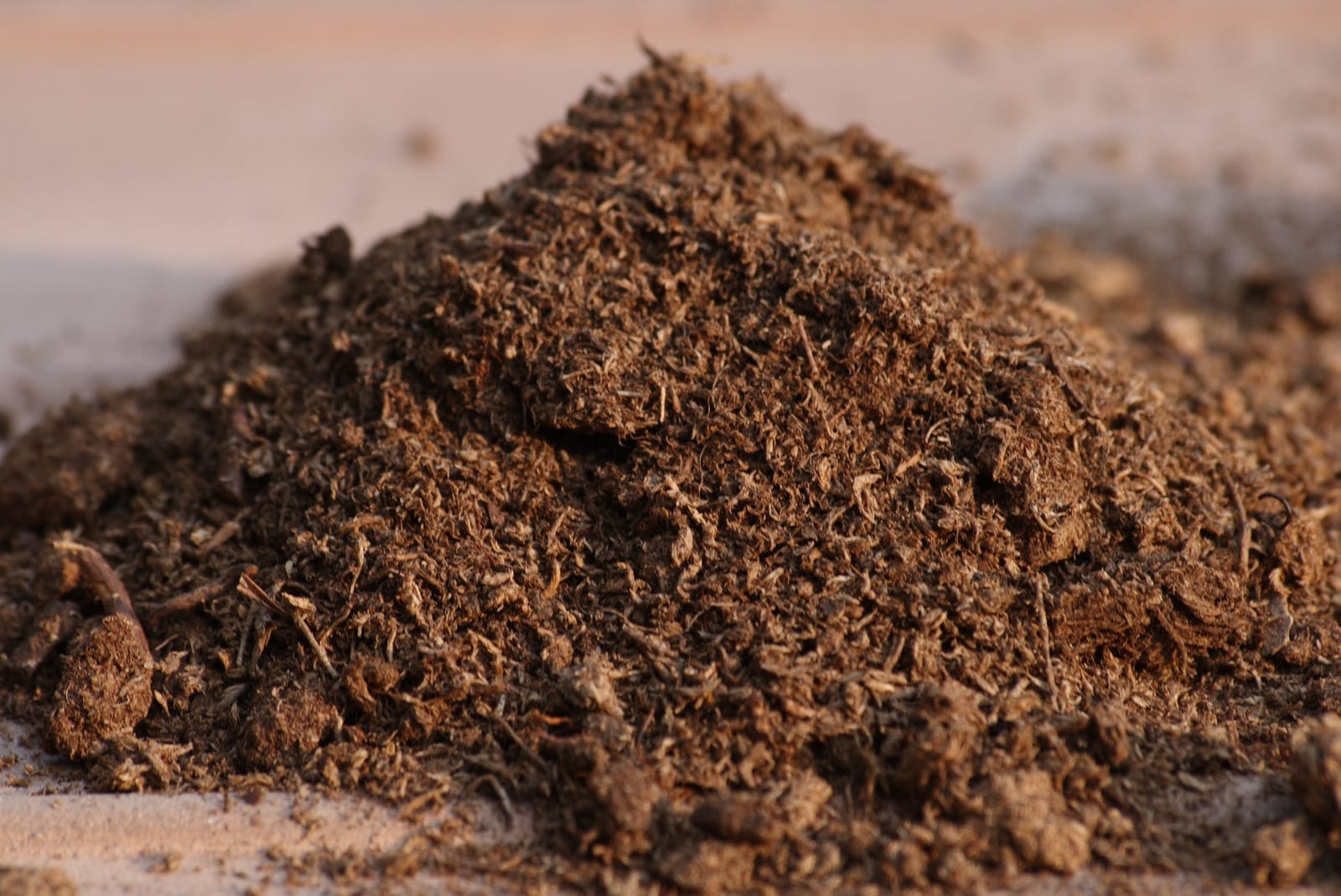
A loose pile of dark brown, fibrous sphagnum peat moss.
A loose mound of brown peat moss, with fibers among the fine pieces. Ragesoss, CC BY-SA 3.0

Peat moss

Organic ingredient

Peat moss is partially decomposed plant material, mostly sphagnum moss, taken from the lower layers of a bog.

Air space
Medium Described as draining well as well as holding water
Weight
Low Added to mixes partly to reduce weight; low bulk density
Names on the bag
sphagnum peat moss, peat moss, reed-sedge peat, black peat
  • Iowa State says peat moss is still the base of most potting mixes.
  • Dry peat can resist wetting. Check the preparation directions and whether a wetting agent is included.
  • A mix high in peat shrinks as it dries and can pull away from the sides of the pot; water then runs down the gap instead of soaking in.
Back to the index
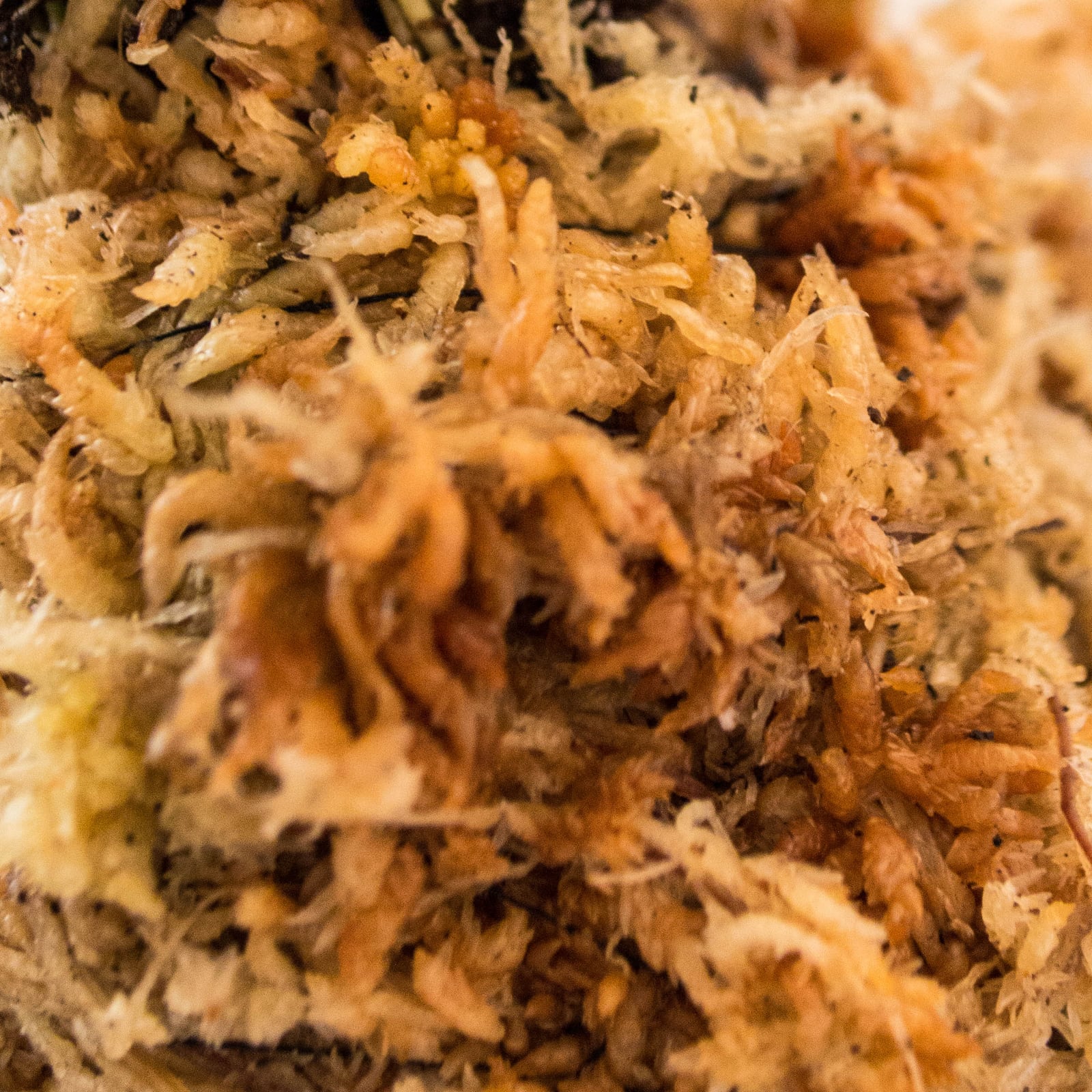
Tan and orange strands of sphagnum moss packed tightly together, filling the frame.
Moistened sphagnum moss packed into the core of a moss-ball planting, with its long strands still visible. Gergely Hideg, CC BY 2.0

Sphagnum moss

Organic ingredient

Sphagnum moss comes from young or living bog-surface growth and is sold as long fibers or shredded material.

Names on the bag
sphagnum moss, long-fibered sphagnum, New Zealand sphagnum
  • A bag labeled “sphagnum peat moss” holds peat moss, the decayed layer from lower in the bog.
  • The University of Florida notes that sphagnum is expensive compared with other mix ingredients.

Comparisons with sphagnum moss

Back to the index
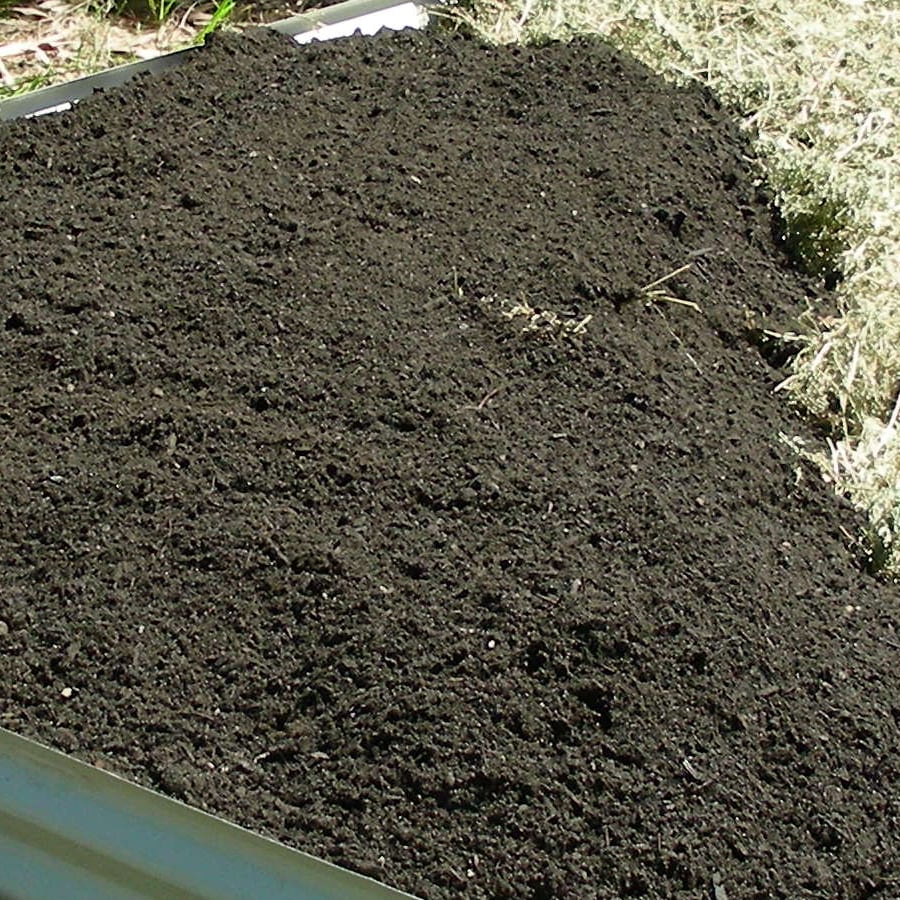
Dark, finely crumbled blended soil spread across a new vegetable bed, with straw along one edge.
A supplier's blend of soil, sand, composted bark and other composted organic matter, delivered in bulk rather than bagged and spread in a new vegetable bed. Doug Beckers, CC BY-SA 2.0

Garden soil

Bag category

Bagged garden soil is a manufactured product sold for beds and for mixing into existing soil. Its ingredients vary, and it is a different material from soil dug out of a garden.

Names on the bag
garden soil, organic garden soil, in-ground soil, flower and vegetable garden soil
  • For soil dug from your yard, Washington State University advises a potting mix made for indoor pots instead; clay-rich garden soil can drain poorly in containers. Read a garden-soil bag's directions before using it in a pot.
Back to the index
Hands cupping loose, dark potting material flecked with pale particles.
Dark potting material with pale specks. The photographer labeled it potting soil. M Tullottes, Public domain

Potting mix

Bag category

Potting mix is a prepared growing blend sold for containers. The name overlaps with potting soil and does not define a separate formula.

Names on the bag
potting mix, potting soil, container mix, seed starting mix
  • Retail mixes vary widely between brands and even between bags of one brand.

Comparisons with potting mix

Back to the index
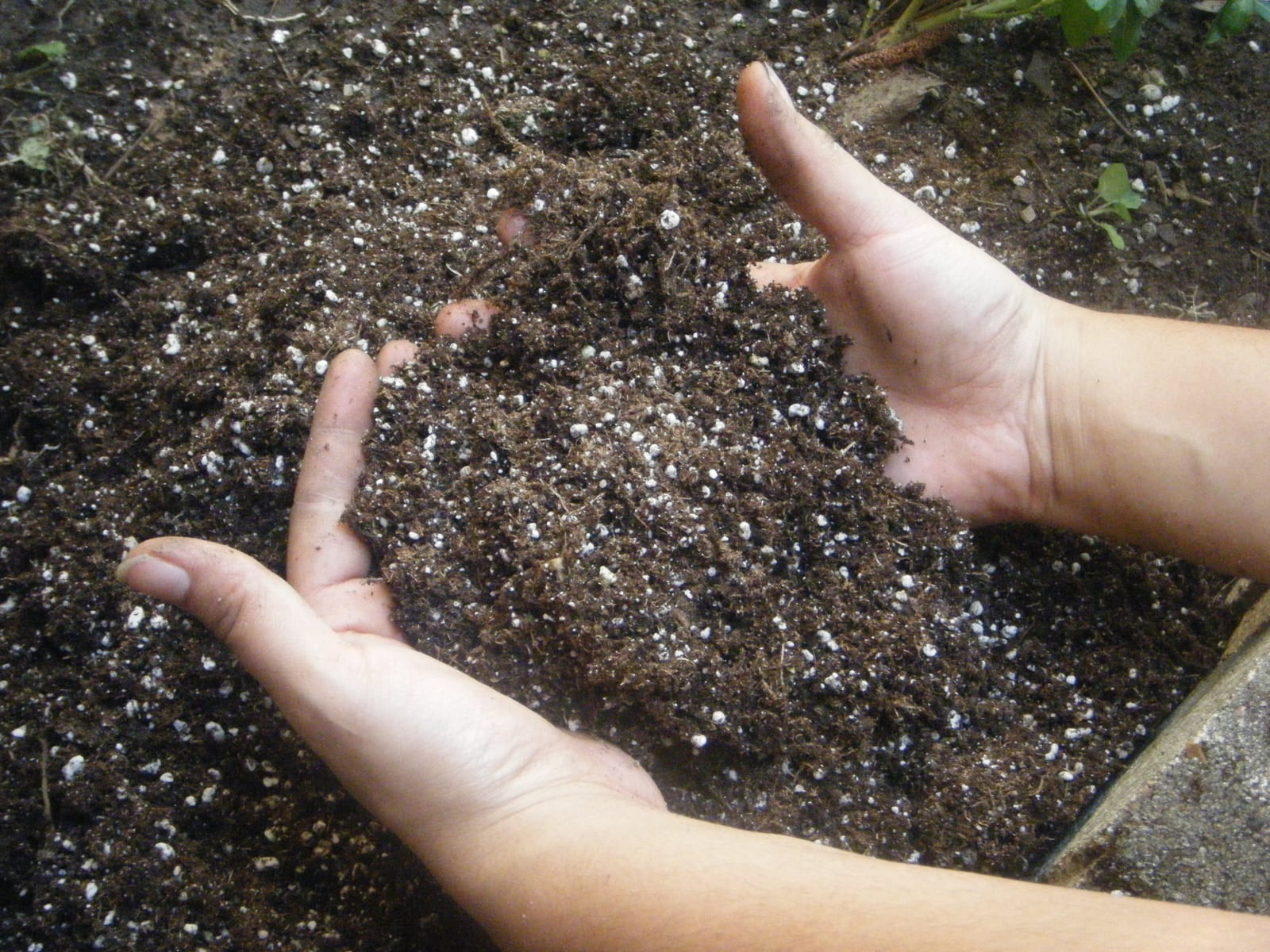
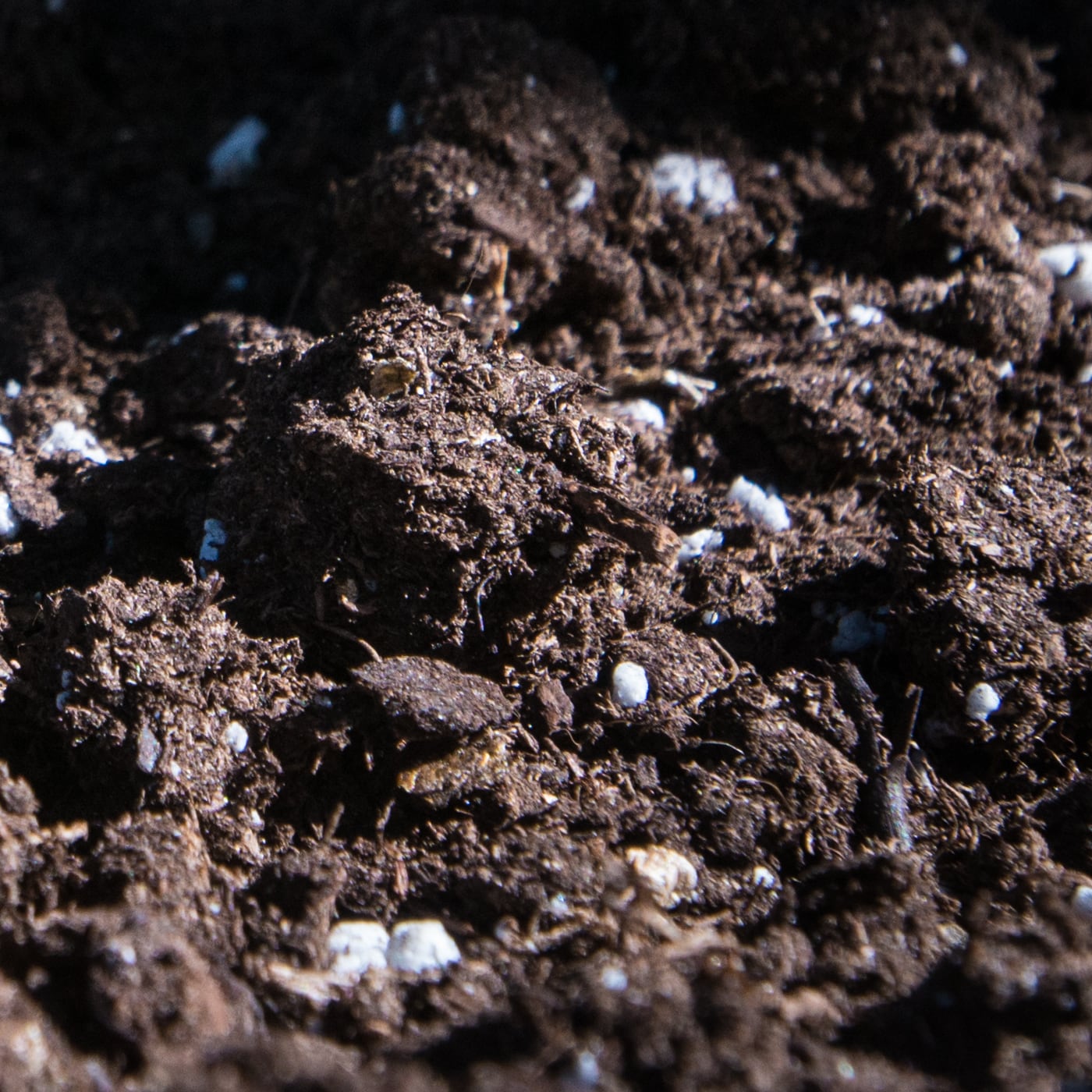
Close view of dark brown, fibrous potting material with scattered white perlite grains, lit from the side.
A dark, fibrous growing blend with white perlite grains, ready for planting at the USDA People's Garden in Washington, D.C. The photo shows the material, not a particular product. Lance Cheung, U.S. Department of Agriculture, Public domain

Potting soil

Bag category

Potting soil is a prepared growing blend sold for containers. Its ingredients may overlap with products called potting mix.

Names on the bag
potting soil, potting mix, container mix, indoor potting mix
  • Retail mixes vary widely between brands and even between bags of one brand.
Back to the index
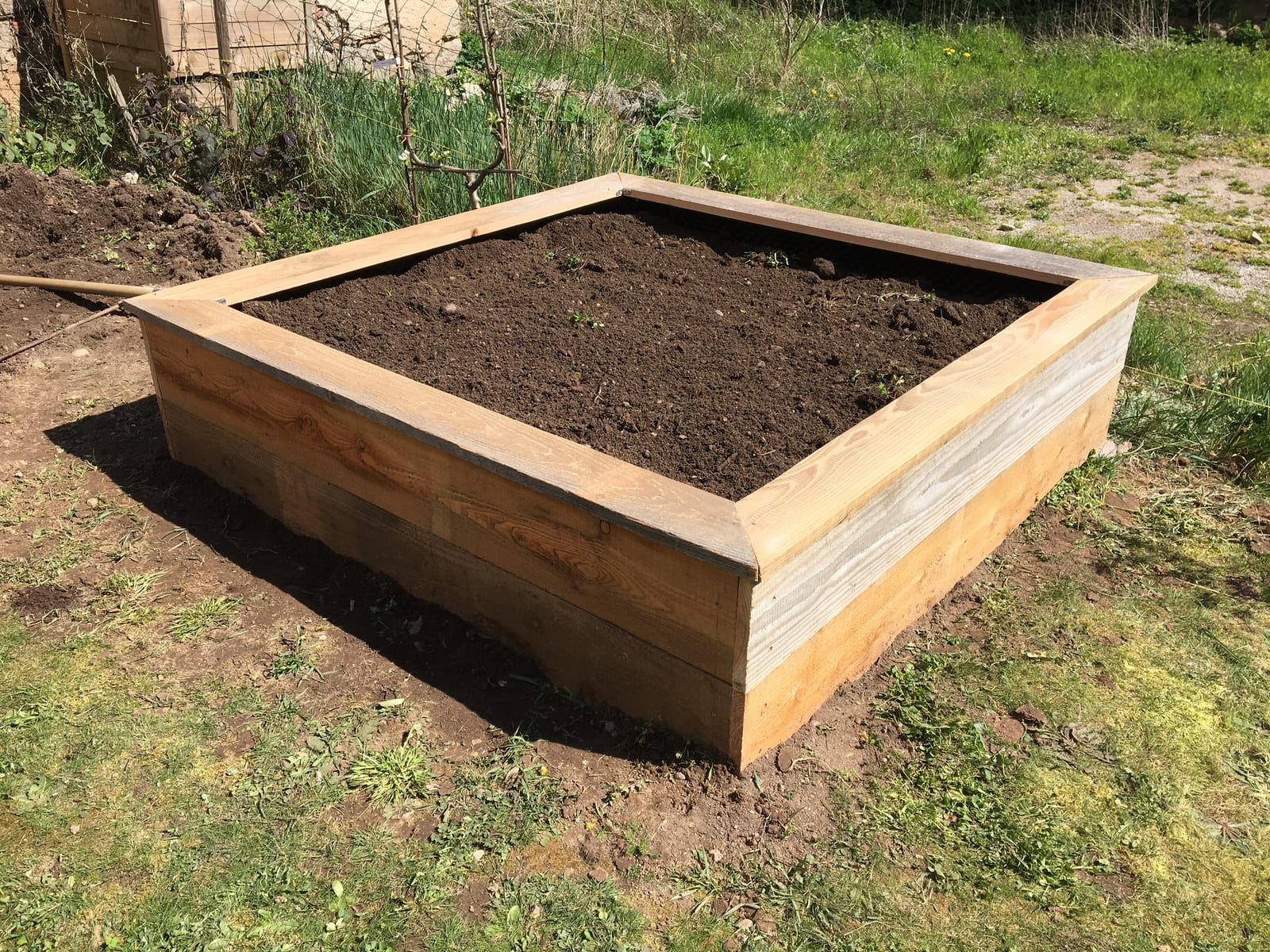
A new wooden raised bed filled level with dark soil, standing on grass before planting.
A new wooden raised bed filled with dark soil before planting. The photo shows the setting, not a particular product. DEFI-Écologique, CC BY-SA 4.0

Raised bed soil

Bag category

Raised-bed soil is a bagged blend sold for filling raised beds. The name does not set its ingredients.

Names on the bag
raised bed soil, raised bed mix, raised bed and planter mix
  • Maryland Extension's fill advice depends on whether the bed sits on existing soil or on a hard surface.
Back to the index
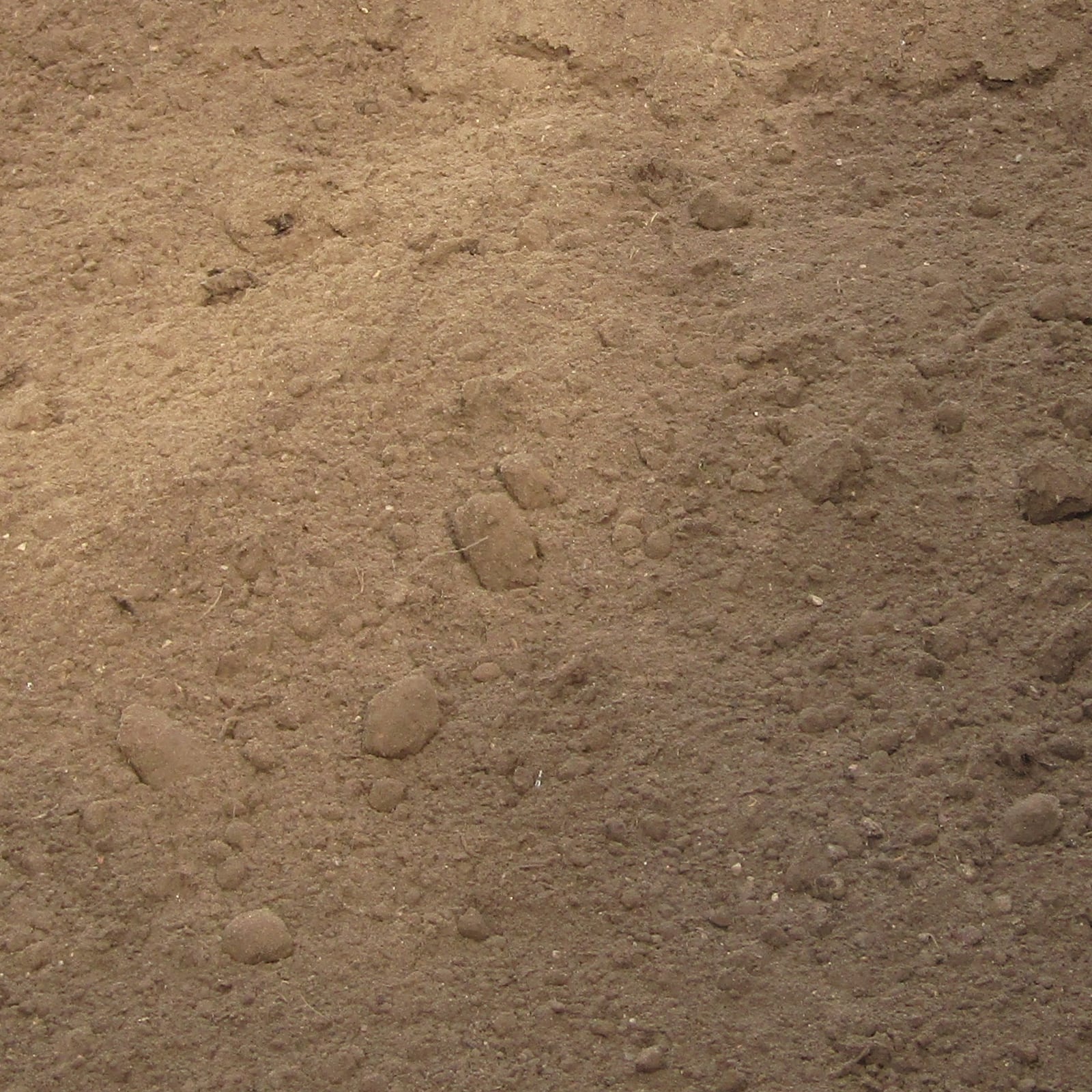
Close view of loose, brown topsoil with small crumbly clods, from a bulk delivery pile.
Brown, crumbly topsoil from a four-ton bulk delivery, with small clods among the fine soil. Kolforn (Wikimedia), CC BY-SA 4.0

Topsoil

Bulk material

Topsoil is mineral soil, made of sand, silt and clay particles, sometimes blended with compost. Bagged products may use the name loosely, so read the ingredients or ask the supplier.

Names on the bag
topsoil, screened topsoil, premium topsoil, lawn soil
  • Arkansas Extension says soil should be a minor ingredient of modern container mixes, or left out.
  • Maryland Extension says topsoil should be dark and crumbly, with an earthy smell, and advises asking a bulk supplier for soil-test results and the soil's origin.
Back to the index